



جدول المحتويات
In the rapidly evolving landscape of outdoor living, the debate between Traditional vs. Co-extrusion WPC Decking has become a focal point for homeowners, architects, and contractors alike. Wood Plastic Composite (WPC) has revolutionized the decking industry, offering a sustainable and low-maintenance alternative to natural timber. However, not all WPC is created equal.
Understanding the technical nuances between 1st gen vs 2nd gen wpc is essential for making an informed investment. This comprehensive composite decking comparison explores the science, performance, and long-term value of these two leading technologies to help you decide which is best for your project.
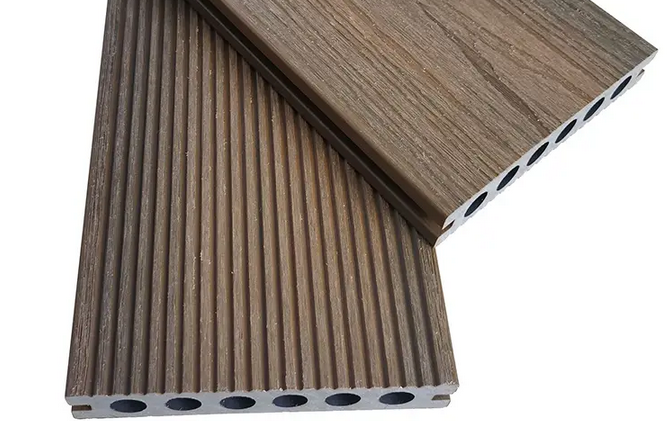
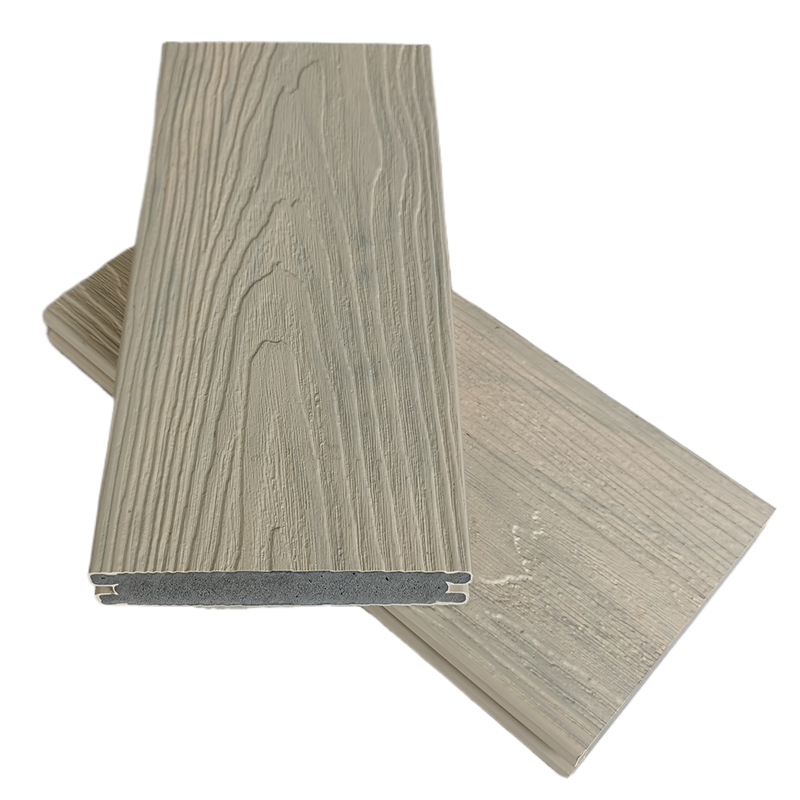
What is Traditional WPC Decking? (The 1st Generation)
Traditional WPC decking, often referred to as 1st gen WPC, first gained popularity as a solution to the rot and maintenance issues associated with traditional wood. It is typically composed of a homogeneous mixture of wood fibers, recycled plastics (HDPE), and bonding agents.
The Composition of 1st Gen WPC
Traditional composite boards are “uncapped.” This means the material is consistent from the core to the surface. While this made production simpler and more affordable, it left the wood fibers on the surface exposed to the elements.
The Limitations of Traditional WPC
- Moisture Absorption: Because the wood fibers are exposed, 1st gen boards can absorb water, leading to potential swelling or mold growth over time.
- Fading: Traditional WPC is prone to significant UV degradation. It often undergoes a “weathering” period where the color lightens considerably within the first six months.
- Staining: Without a protective barrier, organic materials like wine, grease, or oil can penetrate the surface, leaving permanent marks.
What is Co-extrusion WPC Decking? (The 2nd Generation)
In response to the shortcomings of the first generation, the industry introduced التزيين WPC بالبثق المشترك, widely recognized as 2nd gen WPC. This technology represents a quantum leap in composite engineering.
The “Shield” Technology
The defining feature of co-extrusion is a high-performance polymer “shield” or “cap” that is extruded simultaneously with the WPC core. This cap covers the board either on three sides or all four sides (360-degree protection).
Why Co-extrusion is Superior
The outer shell is engineered with advanced UV inhibitors and antioxidants. It is non-porous and highly resistant to the external environment, effectively sealing the core from moisture, insects, and sunlight. This is why co-extrusion wpc decking has become the gold standard for premium outdoor spaces.
The Ultimate Composite Decking Comparison: Head-to-Head
When conducting a composite decking comparison, we must look at several key performance indicators (KPIs) that impact the longevity and aesthetics of your deck.
A. Durability and Scratch Resistance
- Traditional: The surface is relatively soft. It can be easily scratched by pet claws, moving furniture, or high heels.
- Co-extrusion: The polymer shield is incredibly tough. Many 2nd gen products are tested against rigorous industry standards for scratch and abrasion resistance, making them ideal for high-traffic areas.
B. Color Stability and UV Resistance
- Traditional: Expect a 10-25% color loss over time. What you see in the showroom is rarely what you get after a year of sun exposure.
- Co-extrusion: These boards are designed to be “color-fast.” While minor fading may occur, it is virtually imperceptible to the naked eye, maintaining the vibrant wood-look for decades.
C. Moisture and Mold Resistance
- Traditional: Vulnerable in humid climates or near water bodies (pools, lakes). Internal moisture can lead to structural weakening.
- Co-extrusion: The shield acts as an impermeable barrier. Water cannot penetrate the core, which drastically reduces the risk of mold, mildew, and rot.
Maintenance: The “Low-Maintenance” Myth vs. Reality
One of the primary reasons people choose WPC is to escape the cycle of sanding, staining, and sealing. However, the level of maintenance varies between 1st gen vs 2nd gen wpc.
Maintenance for Traditional WPC
Traditional boards require regular cleaning to prevent mold spores from taking root in the exposed wood fibers. If a spill occurs, it must be cleaned immediately to avoid deep-set staining.
Maintenance for Co-extrusion WPC
Co-extruded boards are as close to “maintenance-free” as a decking product can get. Most dirt can be washed away with a simple garden hose or soap and water. The non-porous shield ensures that even oily spills like BBQ grease sit on the surface rather than soaking in.
Cost Analysis: Short-term Savings vs. Long-term Value
When comparing Traditional and Co-extrusion WPC Decking, price is often the deciding factor for many homeowners.
Initial Investment
- Traditional WPC: Generally 20-30% cheaper upfront. It is an attractive option for budget-conscious projects or temporary installations.
- Co-extrusion WPC: Higher initial cost due to the complexity of the manufacturing process and the quality of the raw materials used in the shield.
Life-Cycle Cost (LCC)
- Traditional WPC may need replacement in 10-12 years if not meticulously maintained.
- Co-extrusion WPC typically comes with warranties ranging from 25 to 30 years. When you factor in the lack of replacement costs and the reduced need for cleaning chemicals, 2nd gen WPC is almost always the more economical choice over the long run.
Environmental Impact and Sustainability
Both types of WPC are generally more eco-friendly than pressure-treated timber because they utilize recycled plastics and wood waste.
- Recycled Content: High-quality WPC often consists of up to 95% recycled materials.
- Reduced Chemicals: Because WPC doesn’t require toxic stains or sealants, it prevents harmful chemicals from leaching into the soil of your garden.
- Longevity as Sustainability: Choosing co-extrusion wpc decking is inherently more sustainable because the product lasts longer, reducing the demand for raw materials and lowering the carbon footprint associated with manufacturing and transport.
Which Should You Choose? The Decision Guide
To make the final call in the Traditional vs. Co-extrusion debate, consider the following scenarios:
Choose Traditional (1st Gen) WPC if:
- You are on a very tight budget and need a functional deck immediately.
- The deck is in a shaded, dry area where UV and moisture exposure are minimal.
- The deck is for a temporary structure or a property you plan to sell shortly.
Choose Co-extrusion (2nd Gen) WPC if:
- You want a “set it and forget it” solution with minimal maintenance.
- Your deck will be exposed to direct sunlight, heavy rain, or is located near a pool.
- You have pets or children and need a surface that resists scratches and stains.
- You value the aesthetic of high-definition wood grains that won’t fade.
- You view your deck as a long-term investment in your property’s value.
خاتمة
In the battle of Traditional and Co-extrusion WPC Decking, the 2nd generation technology is the clear winner for performance, aesthetics, and longevity. While traditional WPC served as a vital stepping stone, the advanced protection offered by co-extruded caps makes it the superior choice for modern outdoor living.
When planning your project, always ask for samples of both 1st gen vs 2nd gen wpc to feel the difference in texture and see the difference in construction. Investing in high-quality co-extrusion wpc decking ensures that your outdoor sanctuary remains beautiful and structural for decades to come.
التعليمات
1. Is co-extrusion WPC decking more slippery than traditional WPC?
No. In fact, most co-extrusion WPC decking is engineered with sophisticated grain patterns that provide excellent slip resistance. Many 2nd gen boards meet or exceed ADA (Americans with Disabilities Act) requirements for slip-resistant surfaces, making them safer for wet environments like pool surrounds compared to traditional wood or some 1st gen composites.
2. Can I install co-extrusion WPC using the same tools as traditional WPC?
Yes. Both traditional and co-extrusion WPC can be installed using standard woodworking tools. You can cut, drill, and fasten them just like wood. However, it is highly recommended to use hidden fastening systems specifically designed for WPC to achieve a clean, fastener-free surface that complements the premium look of co-extruded boards.
3. Does the “cap” or “shield” on 2nd gen WPC ever peel off?
During the co-extrusion process, the shield and the core are extruded at the same time under extremely high temperatures, creating a molecular bond. This means the shield is not a “coating” that can peel or flake off; it is an integral part of the board’s structure. High-quality co-extrusion decking is specifically designed to withstand thermal expansion and contraction without delamination.