



As urban architecture pushes the boundaries of design and functionality, the demand for high-performance materials has never been greater. Among the myriad of choices for outdoor surfacing, террасная доска из ДПК, полученная методом соэкструзии has emerged as the premier choice for architects, developers, and facility managers.
While the first generation of wood-plastic composites (WPC) offered a glimpse into a low-maintenance future, it is the second-generation “capped” technology that truly delivers on the promise of durability and aesthetics. This article delves into the technical and economic advantages of co-extruded materials, specifically focusing on their role as the leading commercial composite decking solution for heavy traffic outdoor flooring.
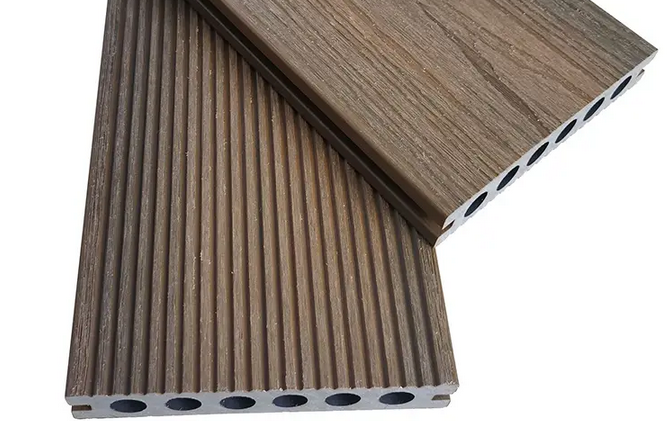
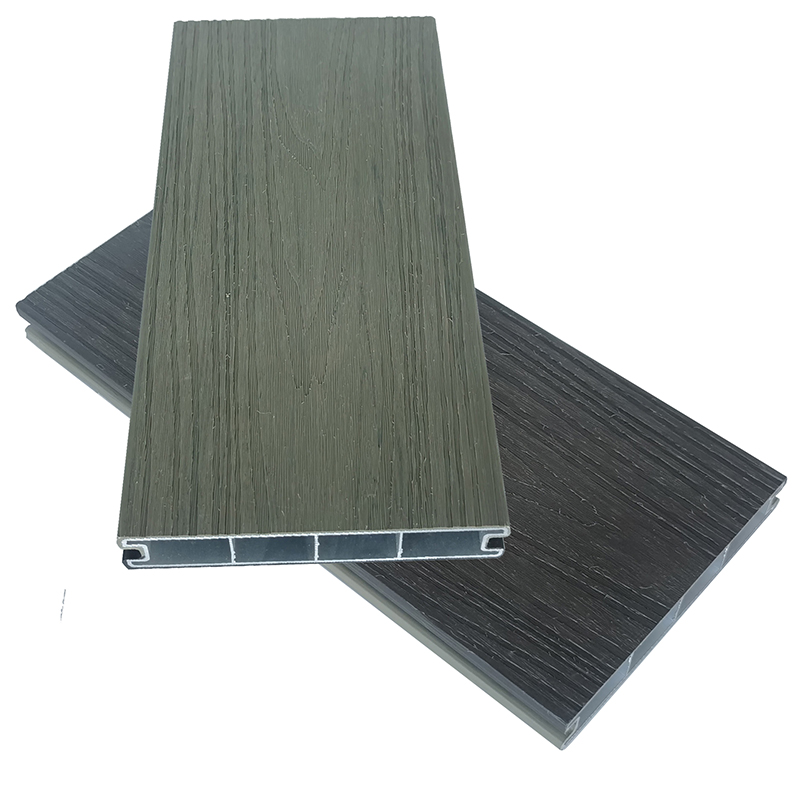
The Science Behind the Shield: What Sets It Apart?
To understand the advantages, one must first understand the engineering. Unlike traditional WPC, which is a single-layered material, террасная доска из ДПК, полученная методом соэкструзии features a dual-layer construction.
The Co-extrusion Process
During manufacturing, the core (typically a mix of recycled wood fiber and HDPE) and the outer protective shield are extruded simultaneously under high heat. This creates a cohesive, multi-layered board where the “skin” is not just a coating but a molecularly bonded part of the product.
The Polymer Shell
The outer shield is composed of a proprietary blend of engineering-grade polymers. This layer contains high concentrations of UV stabilizers, antioxidants, and antimicrobial agents. For heavy traffic outdoor flooring, this shield is the first line of defense against structural degradation and surface wear.
Superior Performance in Heavy Traffic Environments
One of the most significant advantages of co-extrusion technology is its ability to withstand the rigors of public and commercial spaces. In these environments, floors are subjected to constant foot traffic, heavy furniture, and mechanical cleaning.
Resistance to Abrasion and Impact
In the context of heavy traffic outdoor flooring, surface integrity is paramount. Traditional wood and 1st-generation composites are prone to “scuffing” and indentation. Co-extrusion boards are engineered with a harder, more resilient surface that resists scratches from high heels, rolling luggage, and pet claws. This makes it a top-tier choice for:
- Hotel balconies and pool decks.
- Public boardwalks and park pathways.
- Outdoor dining areas and rooftop bars.
Dimensional Stability
Commercial projects often cover large surface areas where thermal expansion can cause issues. The co-extruded shield helps regulate the temperature of the core, reducing the rate of expansion and contraction. This ensures that the gaps between boards remain consistent, maintaining the safety and visual appeal of the installation.
Why Architects Prefer Commercial Composite Decking
For architectural firms, the choice of material is driven by a balance of aesthetics and compliance. Commercial composite decking must meet stringent safety standards while fulfilling a creative vision.
Realistic Wood Aesthetics
One of the primary advantages of co-extrusion is the “Ultra-Natural” look. The shielding process allows for multi-chromatic color streaking and deep embossing that mimics the irregular beauty of exotic hardwoods like Ipe or Teak. Unlike stained timber, these colors are locked in, ensuring the project looks as good in year ten as it did on day one.
Compliance and Safety
In commercial settings, safety is a legal requirement. Co-extrusion decking often features:
- High Slip Resistance: Advanced embossing patterns provide superior grip, even in wet conditions, reducing the risk of slip-and-fall accidents.
- Fire Retardancy: Many commercial-grade co-extruded products are manufactured with fire-rated additives, achieving Class B or Class C fire ratings required for public buildings.
- No Splintering: Unlike natural wood, WPC will never splinter, making it safer for barefoot traffic in public pools and beachfronts.
The Economic Advantage: Maximizing ROI
While the initial purchase price of террасная доска из ДПК, полученная методом соэкструзии may be higher than traditional wood or 1st-gen WPC, the “Total Cost of Ownership” (TCO) tells a different story. For commercial property owners, the ROI is found in what they don’t have to spend.
Elimination of Maintenance Costs
Natural wood requires annual sanding, staining, and sealing. For a large commercial deck, these labor and material costs can run into thousands of dollars every year. Co-extrusion requires only periodic cleaning with water and a mild detergent.
Extended Service Life
A typical pressure-treated wood deck in a commercial setting may last 7–10 years before rot and wear necessitate a full replacement. Commercial composite decking often comes with warranties of 25 to 30 years. By doubling or tripling the lifespan of the deck, the annualized cost of the material becomes significantly lower than any other option.
Environmental Responsibility in Large-Scale Projects
Sustainability is no longer an “extra”—it is a core requirement for modern construction. Co-extrusion wpc decking contributes to LEED and other green building certifications.
- Переработанные материалы: Leading manufacturers utilize up to 95% recycled material, diverting tons of plastic and wood waste from landfills.
- Non-Toxic Production: The manufacturing process is often a closed-loop system, and because the boards never need staining or chemical treatment, they do not leach toxins into the environment.
- Sustainability through Longevity: By choosing a product that lasts 30 years instead of 10, the environmental impact of extraction, manufacturing, and transport is reduced by 66%.
Weather Resistance: From Tropical Humidity to Arctic Cold
Standard decking materials often fail under extreme weather. Co-extrusion technology is designed for global applications.
UV Protection
The high-density polymer shell contains advanced UV inhibitors. This prevents the “bleaching” effect commonly seen in outdoor materials, ensuring that the dark, rich tones of the deck do not fade under intense sun exposure.
Moisture and Mold Defense
Because the shield is non-porous and covers the board (often 360 degrees), moisture cannot reach the organic wood fibers in the core. This makes террасная доска из ДПК, полученная методом соэкструзии virtually immune to mold, mildew, and fungal rot, even in tropical or coastal environments with high humidity.
Conclusion: The Future of Outdoor Flooring
The advantages of террасная доска из ДПК, полученная методом соэкструзии are clear. It represents the pinnacle of wood-plastic composite technology, offering a rare combination of aesthetic beauty, extreme durability, and long-term economic value.
For projects requiring heavy traffic outdoor flooring, the resilience of the polymer shield is indispensable. For those seeking the best in commercial composite decking, the low maintenance requirements and superior safety profiles make co-extrusion the only logical choice. As we move toward more sustainable and durable urban environments, co-extruded WPC will continue to set the standard for what outdoor flooring can and should be.
Часто задаваемые вопросы
1. Can co-extrusion WPC decking handle heavy furniture and high heels in commercial settings?
Absolutely. The high-performance polymer shield is specifically engineered for high-density traffic. It is much harder than natural wood and 1st-generation WPC, providing excellent resistance against indentation from furniture legs and scuffing from high-heeled shoes. This makes it ideal for restaurant patios and hotel rooftops.
2. How does co-extrusion decking perform in terms of fire safety for public buildings?
Most premium commercial composite decking is manufactured to meet strict fire safety codes. Many products achieve a Class B or Class C fire rating (per ASTM E84 standards). If your project has specific fire-code requirements, you can source co-extruded boards with extra flame-retardant additives to ensure full compliance with local building regulations.
3. Is co-extrusion decking really worth the extra cost for a commercial project?
Yes, when looking at the long-term ROI. While the upfront cost is higher, the lack of annual maintenance (no staining or sealing) and the 25-30 year lifespan mean the deck pays for itself within the first 5–7 years compared to natural wood. For commercial operators, the reduction in “downtime” for maintenance is also a major financial benefit.