



Table of Contents
Choosing decking for an outdoor project involves more than picking a color or wood-grain pattern. The boards need to suit the local climate, the way the space will be used, and the look of the finished project.
For buyers comparing wood composite decking, there are several details worth checking before placing an order. Material composition, board structure, surface finish, dimensions, color options, and outdoor performance can all make a difference.
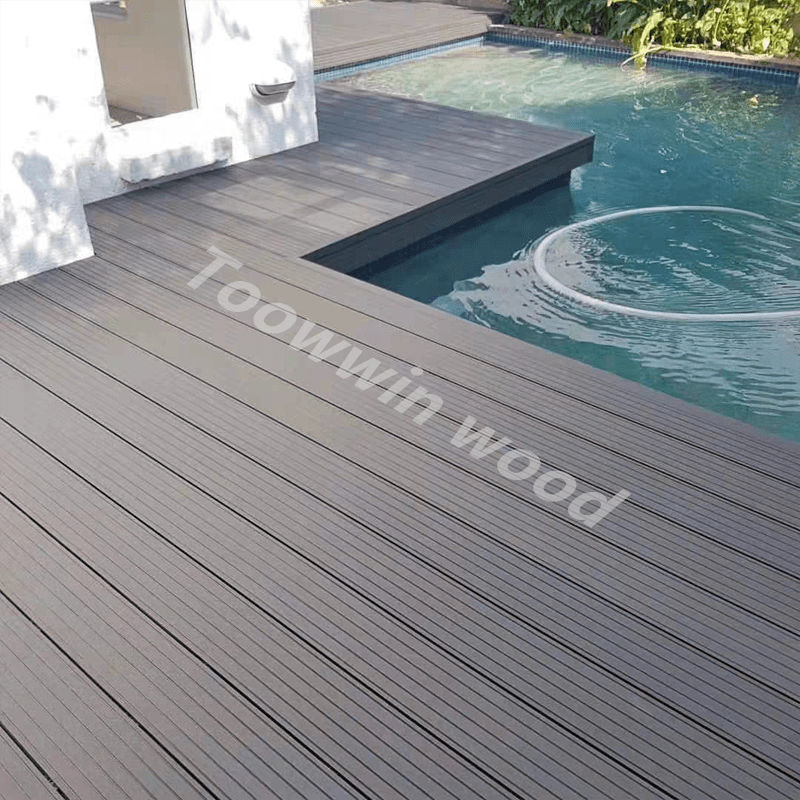
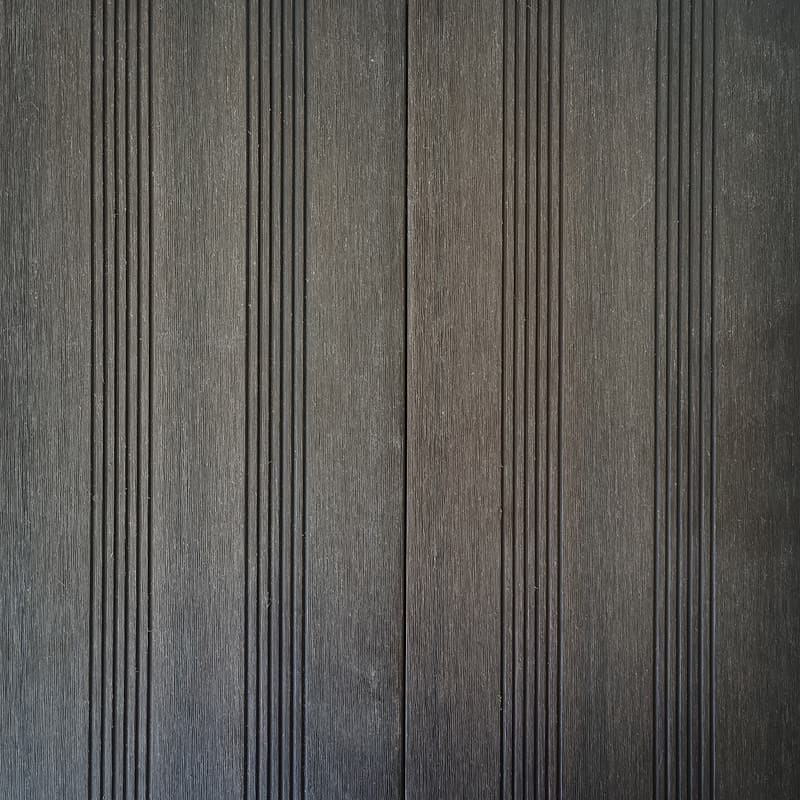
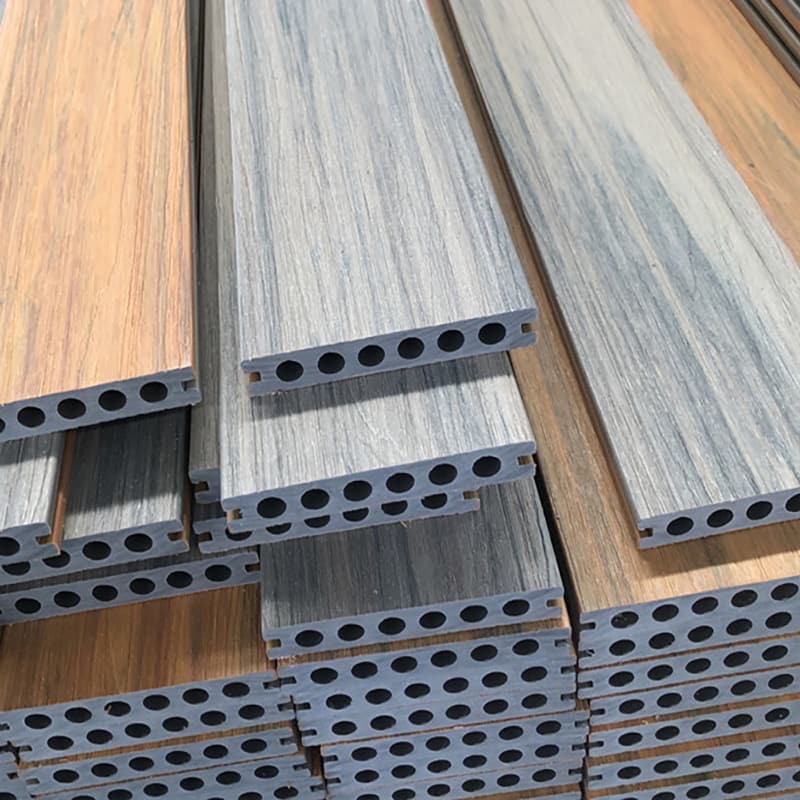
The Wood Composite Decking range from TOOWIN includes classic WPC decking, co-extruded options, premium decking, and 3D wood-grain products in different sizes. This gives buyers more options when matching a decking product to a particular outdoor project.
What Wood Composite Decking Options Are Available?
Different projects do not always need the same type of decking. A private garden, hotel terrace, balcony, and commercial outdoor area may have different requirements for board size, appearance, and performance.
Some of the decking options available from TOOWIN include:
| Product | Size | Key Characteristic |
| Co-extruded WPC Composite Decking | 21 × 145 mm | Co-extruded surface with a wood-grain appearance |
| Co-extruded Deck WPC | 23 × 138 mm | Suitable for a range of outdoor decking projects |
| BIG WPC Premium Decking | 22 × 180 mm | Wider board format |
| WOOD COMPOSITE DECK | 22 × 146 mm | Classic composite decking format |
| CLASSIC WPC Decking | 25 × 150 mm | Thicker board option |
| 3D Wood Grain Decking WPC | 25 × 150 mm | Three-dimensional wood-grain effect |
The right choice depends on the project rather than simply selecting the largest or most heavily specified board. Buyers should consider the installation system, expected use, local weather, and desired appearance together.
What Key Features Should Buyers Look For?
Once the available product types have been narrowed down, it becomes easier to compare them based on the features that matter for the project.
1. Material Composition
The materials used to make decking have a direct effect on its overall characteristics.
WPC decking is generally made by combining wood fiber or wood flour with polymers and other additives. The formulation and production process need to be well controlled to maintain consistent quality.
When comparing products, buyers may want to ask:
- What raw materials are used?
- Is the material formulation consistent?
- How is production quality controlled?
- Are testing or quality documents available?
- Is recycled material included in the formulation?
This information can be particularly useful when purchasing large quantities, where consistency between batches becomes more important.
2. Board Structure
The structure inside the board is another detail that should not be overlooked.
Different boards can have different profiles, thicknesses, widths, and internal structures. These differences may affect weight, rigidity, installation requirements, and how the finished deck feels underfoot.
There is no single structure that is best for every project. The more useful question is whether the structure matches the requirements of the intended application.
3. Surface Finish
The surface has a major influence on the appearance of an outdoor deck.
Some buyers prefer a subtle wood-grain look, while others may want a more noticeable three-dimensional texture. The right finish often depends on the architectural style and surrounding landscape.
Surface treatment can also be an important part of product selection when the decking will be exposed to sunlight, rain, or frequent use.
For example, a residential garden may prioritize appearance, while a busy commercial terrace may place more emphasis on a combination of appearance and surface durability.
4. Weather and UV Resistance
Outdoor decking has to deal with conditions that indoor flooring does not.
Rain, humidity, direct sunlight, and temperature changes can all affect the material over time. This makes weather resistance an important consideration when choosing outdoor decking.
For WPC decking, buyers should look at how the product is designed for outdoor exposure and whether the surface includes additional protection.
UV exposure is also worth considering in areas with strong sunlight. Long-term exposure can affect the appearance of some decking materials, so information about UV performance can be useful when comparing products for outdoor use.
5. Dimensional Stability
Outdoor temperatures can change considerably between day and night and from one season to another. These changes may cause materials to expand and contract.
For this reason, dimensional stability is an important feature to consider before purchasing decking.
Buyers should pay attention to:
- Board dimensions
- Expansion characteristics
- Recommended installation gaps
- Local temperature conditions
- Installation method
These factors are closely related. A suitable product still needs to be installed according to the manufacturer’s requirements and the conditions of the project.
6. Color and Wood-Grain Appearance
Decking is often a visible part of an outdoor space, so appearance matters.
The color of the boards can influence how the deck works with the building, furniture, walls, plants, and surrounding landscape. Wood-grain finishes can also create a more natural appearance without using solid natural wood.
For larger projects, it is also worth asking about color consistency, especially when materials may need to be ordered in several batches.
7. Board Dimensions
Board dimensions should match the layout and installation requirements of the project.
A wider board may work well for some large open spaces, while a narrower format may be more suitable for a particular layout or design. Thickness is another factor that should be considered alongside the supporting structure.
Rather than assuming that one size is suitable for all projects, buyers should compare the available dimensions with the actual deck design.
8. Application Environment
Where the decking will be installed should be considered before choosing a specific product.
Common applications include:
- Residential patios
- Garden decks
- Balconies
- Poolside areas
- Rooftop terraces
- Outdoor walkways
- Commercial spaces
- Hotels and leisure areas
A private garden may have relatively light foot traffic, while a commercial terrace may be used throughout the day. Local climate and exposure to sunlight or moisture can also change the requirements.
Looking at the application first can make product selection much easier.
How Can Buyers Compare Different Decking Products?
Instead of focusing on one specification, buyers can put the main factors side by side.
| What to Check | Why It Matters |
| Material composition | Helps assess material consistency |
| Board structure | Affects weight, rigidity, and installation |
| Surface finish | Influences appearance and surface characteristics |
| Weather resistance | Important for long-term outdoor exposure |
| UV performance | Relevant for areas with strong sunlight |
| Dimensional stability | Helps the boards handle temperature changes |
| Colors and textures | Allows better matching with the project design |
| Board dimensions | Needs to work with the planned layout |
| Application | Determines which characteristics matter most |
This approach gives buyers a clearer picture of the differences between products. It also prevents price or appearance from becoming the only deciding factors.
Does Co-Extruded WPC Decking Make a Difference?
Co-extruded decking is one option worth considering when surface protection and appearance are important to the project.
Compared with conventional WPC decking, a co-extruded product has an additional outer layer. This structure is designed to provide extra protection to the surface while maintaining the appearance of the decking.
However, that does not mean co-extruded decking is automatically the right choice for every project. Buyers should still compare the product structure, application, local environment, appearance requirements, and budget.
The important point is to choose based on the actual project conditions rather than selecting a product simply because it has more features.
How Important Is Supplier Capability?
The product itself is only one part of a large decking project.
For buyers working on commercial projects or placing larger orders, the supplier’s manufacturing capability can also matter. Consistent production, product development, quality control, testing, and customization options can all affect the purchasing process.
TOOWIN’s product range covers different decking structures, dimensions, colors, and surface finishes. Its manufacturing and R&D capabilities also allow it to work with different project requirements.
For larger orders, buyers may also want to confirm production capacity, available documentation, color consistency, and whether customized specifications can be discussed before placing the order.
A Simple Checklist Before Buying
Before choosing a decking product, it can help to run through a short checklist.
Material:
- What materials are used?
- Is the formulation consistent?
- Are testing documents available?
Structure:
- What are the board dimensions?
- What type of profile is used?
- What installation system is required?
Surface:
- What texture and finish are available?
- Is a wood-grain appearance required?
- Is additional surface protection available?
Project:
- Where will the decking be installed?
- How much traffic is expected?
- What weather conditions will it face?
Supplier:
- Are multiple product options available?
- Can colors or specifications be customized?
- Can the supplier handle the required order volume?
Having these points clear before requesting a quotation can make it easier to compare suppliers and avoid choosing a product based only on its appearance or initial price.
FAQ
1. What should I look for when buying Wood Composite Decking?
Start with the material composition, board structure, surface finish, dimensions, weather resistance, and intended application. These factors provide a more useful basis for comparison than appearance or price alone.
2. Is WPC decking suitable for different outdoor spaces?
Yes. It can be used for a range of outdoor areas, including residential patios, gardens, balconies, terraces, walkways, and commercial spaces. The specific product should be selected according to the environment and expected use.
3. Are wider decking boards better?
Not necessarily. Wider boards can work well for certain layouts, but the best size depends on the project design, supporting structure, installation method, and appearance requirements.
4. Is co-extruded decking better than traditional WPC decking?
Not in every situation. Co-extruded decking provides an additional outer layer, which can be useful when surface protection is a priority. The right option still depends on the project’s requirements and budget.
5. Does decking color need to be considered before ordering?
Yes. Color affects the overall appearance of the finished space. For larger projects, buyers should also consider color consistency between different production batches.
6. How do I choose the right decking size?
Start with the deck layout, supporting structure, installation method, and desired appearance. The board’s width and thickness should work with these requirements rather than being selected independently.
Final Thoughts
Choosing the right decking is easier when the decision is based on the whole project rather than a single specification.
Material composition, board structure, surface finish, weather resistance, dimensional stability, color, dimensions, and application environment all deserve attention. A clear understanding of these factors can help buyers compare different outdoor composite decking options more effectively and choose a product that fits the intended space.
TOOWIN provides a range of WPC decking products in different structures, sizes, colors, and surface finishes, giving buyers more flexibility when planning residential and commercial outdoor projects. By matching the product characteristics with the actual requirements of the project, buyers can make a more informed decision before requesting a quotation.