



Table of Contents
Choosing outdoor flooring depends on more than appearance. The size of the area, existing ground conditions, installation method, and intended use can all affect which product is the right choice. For outdoor projects, WPC decking and WPC composite decking tile are two practical options, but they are designed for different types of spaces.

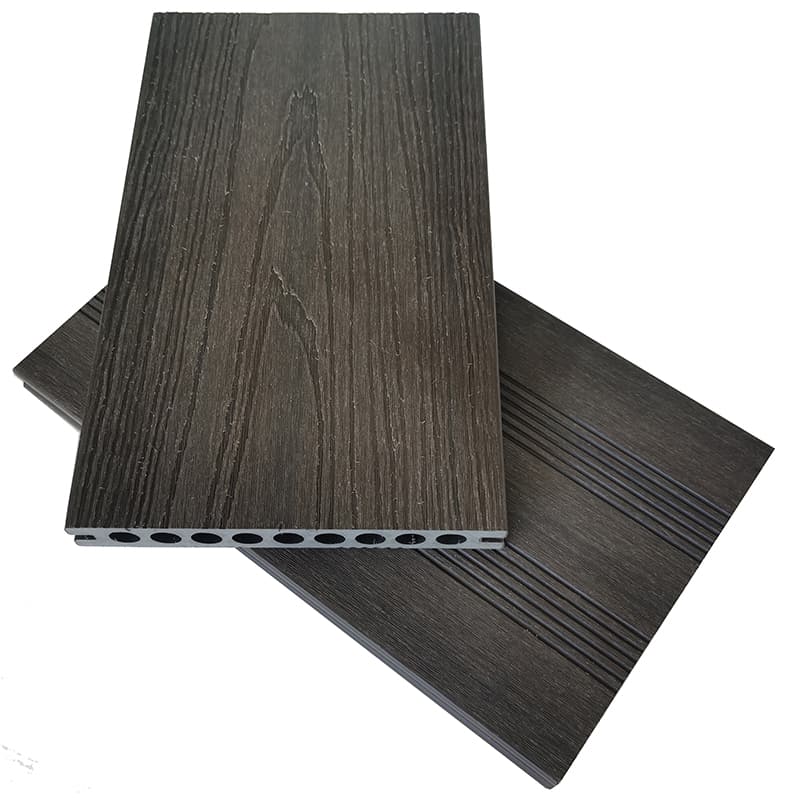
For buyers comparing these two products, the key question is not simply which one is better. It is which format fits the project more effectively.
What Is the Difference Between WPC Decking and WPC Composite Decking Tile?
The main difference is the product format and installation approach.
WPC decking is supplied as long decking boards. The boards are normally installed over a supporting structure, making them suitable for creating a complete outdoor deck. This format provides flexibility in board direction, spacing, layout, and overall deck dimensions.
WPC composite decking tile, on the other hand, is designed as a modular flooring product. Individual tiles can be connected to form an outdoor surface, making this format particularly useful for smaller areas or projects where a complete decking structure is not required.
Both belong to the WPC composite product category, but their installation requirements and practical applications are different.
WPC Decking vs. WPC Composite Decking Tile
| Feature | WPC Decking | WPC Composite Decking Tile |
| Product format | Long decking boards | Modular deck tiles |
| Installation | Usually installed with a supporting structure | Modular connection between tiles |
| Suitable area | Medium to large outdoor areas | Small to medium outdoor areas |
| Surface preparation | More preparation may be required | Best suited to a stable, relatively flat surface |
| Layout flexibility | High | High for modular patterns |
| Installation complexity | More installation planning | Relatively simple for suitable surfaces |
| Best for | Complete outdoor decking projects | Smaller outdoor upgrades |
| Replacement | Individual boards can be replaced | Individual tiles can be removed or replaced |
| Typical use | Decks, terraces, gardens, outdoor platforms | Balconies, patios, small terraces |
The choice therefore depends mainly on the size and condition of the space, as well as the type of installation the project requires.
When Is WPC Decking the Better Choice?
Large Outdoor Areas
WPC decking is a strong option when the project involves a relatively large outdoor area.
Long boards can create a continuous surface and give designers more control over the direction and overall arrangement of the decking. This makes the product suitable for larger terraces, garden decks, outdoor platforms, and other areas where a complete decking system is required.
For larger projects, the board format also makes it easier to plan the finished floor around the overall dimensions of the space.
Projects That Need a Supporting Structure
Another reason to choose WPC decking is when the finished floor requires a dedicated supporting structure.
Outdoor surfaces are not always perfectly level. A decking system with suitable supporting components can provide greater flexibility when the finished floor needs to be adjusted or raised.
This makes board-based decking a practical choice when the outdoor floor needs to be designed as a complete system rather than simply placed over an existing surface.
Projects With More Detailed Layout Requirements
Decking boards provide more options when the layout itself is an important part of the design.
Boards can be arranged in different directions and patterns according to the shape of the outdoor area. This can be useful for projects where the decking needs to work around different zones or create a particular visual effect.
The Products section of Toowin includes several WPC composite decking options, including different board sizes, surface designs, and product structures. This gives buyers more flexibility when matching the decking format to a specific project.
When Is WPC Composite Decking Tile the Better Choice?
Small Outdoor Spaces
WPC composite decking tile can be a practical choice for smaller outdoor areas.
A balcony, compact patio, or small terrace may not require the same type of supporting structure as a large deck. A modular tile format can make better use of limited space while keeping the installation process relatively straightforward.
Existing Hard Surfaces
The condition of the existing surface is another important consideration.
If the area already has a stable and relatively flat concrete or paved surface, composite deck tiles can be a convenient option for upgrading the floor.
Instead of building a complete raised decking structure, the modular tiles can be arranged over a suitable existing surface.
Projects Requiring a Modular Format
The modular design of WPC composite decking tile also provides flexibility during future changes.
Individual tiles can be removed or replaced without necessarily affecting the entire surface. This can be useful when only part of an outdoor area needs to be modified or maintained.
For smaller projects, this modular approach can make the flooring easier to manage over time.
How to Choose Between the Two?
The easiest way to choose is to consider the actual conditions of the project.
Consider the Project Size
For a large terrace, garden deck, or outdoor platform, WPC decking is generally more suitable because the board format is designed for complete decking systems.
For a small balcony or patio, WPC composite decking tile may provide a simpler solution.
Check the Existing Surface
The condition of the existing ground should be evaluated before choosing the product.
If the surface is uneven or the finished floor needs to be raised, a board-based decking system may provide more installation flexibility.
If the existing surface is stable and relatively flat, deck tiles can be a practical alternative.
Think About Installation
The two products also differ in installation requirements.
Board decking normally requires more planning because the supporting structure, spacing, fixing method, and drainage need to be considered as part of the installation.
Deck tiles use a modular format, so they can be more convenient for smaller projects where extensive structural preparation is unnecessary.
Consider the Finished Appearance
The desired appearance can also influence the decision.
If you want a continuous decking surface with a clearly defined board direction, WPC decking provides more control over the overall layout.
If you prefer a modular pattern or need to work within a smaller space, WPC composite decking tile can be a better fit.
Think About Future Changes
For projects that may need partial replacement or layout changes, the modular nature of deck tiles can be useful.
For a permanent outdoor deck, however, a complete WPC decking system may provide a more suitable long-term structure.
Which Product Fits Your Project?
| Project Requirement | Better Choice |
| Large garden deck | WPC decking |
| Large outdoor terrace | WPC decking |
| Raised outdoor floor | WPC decking |
| Complete decking structure | WPC decking |
| Small balcony | WPC composite decking tile |
| Compact patio | WPC composite decking tile |
| Existing flat hard surface | WPC composite decking tile |
| Modular outdoor flooring | WPC composite decking tile |
| Project requiring detailed board layout | WPC decking |
| Project requiring easy modular replacement | WPC composite decking tile |
This comparison does not mean that one product is universally better than the other. The right choice depends on the actual requirements of the outdoor space.
Product Selection Within the WPC Decking Range
Once the product format has been selected, buyers should also consider the specific type of WPC decking.
The Toowin Products range includes different WPC composite decking options, covering products with different dimensions, surface designs, and construction methods. Some products feature co-extruded structures, while others focus on wood-grain appearance and traditional WPC construction.
This allows buyers to consider factors such as:
- Product dimensions
- Surface texture
- Color options
- Construction method
- Project size
- Installation requirements
- Desired appearance
The choice of product should be based on the actual requirements of the project rather than selecting a decking product only by appearance.
A More Practical Way to Choose
A simple decision process can help narrow down the options.
If you are building a large outdoor deck, start by considering WPC decking. Look at the required area, supporting structure, board dimensions, surface design, and installation layout.
If you are upgrading a small balcony, patio, or existing hard surface, consider WPC composite decking tile first. Its modular format can make it more suitable for projects where a full decking structure is unnecessary.
For projects somewhere between these two situations, compare the available space and installation conditions before making a final decision.
Conclusion
Both WPC decking and WPC composite decking tile can be suitable for outdoor flooring, but they solve different project requirements.
WPC decking is better suited to larger and more structured outdoor projects where a complete decking system, flexible layout, and supporting structure are important.
WPC composite decking tile is more suitable for smaller outdoor areas, existing hard surfaces, and projects where a modular flooring solution is preferred.
Toowin focuses on WPC composite products and offers both decking boards and composite deck tiles within its product range. With different WPC decking options available, buyers can select a product according to the size, surface conditions, design requirements, and installation method of the project.
The best choice is therefore not simply the product with more features. It is the product that fits the space, installation conditions, and intended use of the project.
FAQ
1. What is the main difference between WPC decking and WPC composite decking tile?
The main difference is their format and installation method. WPC decking uses long boards and is generally installed as a complete decking system, while WPC composite decking tile uses modular tiles that can be connected to form a surface.
2. Which is better for a large outdoor area?
WPC decking is generally more suitable for large terraces, gardens, and other outdoor areas that require a complete decking structure.
3. Are WPC composite decking tiles suitable for balconies?
Yes. WPC composite decking tile can be a practical option for balconies and other small outdoor areas, especially when the existing surface is stable and relatively flat.
4. Which product is easier to install?
For suitable small areas, deck tiles generally require less structural preparation. WPC decking usually involves more planning because the supporting structure and board installation need to be considered.
5. How should I choose the right WPC decking product?
Consider the project size, existing surface, installation method, product dimensions, surface design, and intended use. These factors can help determine whether board decking or deck tiles are more appropriate.