



Оглавление
Создание идеальной зоны отдыха на открытом воздухе — мечта многих домовладельцев. Это место, где можно расслабиться, развлечься и насладиться природой, не выходя из дома. Когда дело доходит до основания таких пространств — террасы — выбор материала имеет решающее значение. Десятилетиями традиционным вариантом была древесина. Однако достижения в области строительных материалов представили превосходную альтернативу, которая быстро завоевала популярность: террасная доска из древесно-пластикового композита.
В этом подробном руководстве мы рассмотрим, почему террасная доска из древесно-пластикового композита (WPC) — это не просто альтернатива, а, пожалуй, гораздо лучший выбор для современных открытых пространств. От невероятной долговечности до экологичности — мы расскажем обо всем, что вам нужно знать, прежде чем сделать следующее вложение в террасную доску.
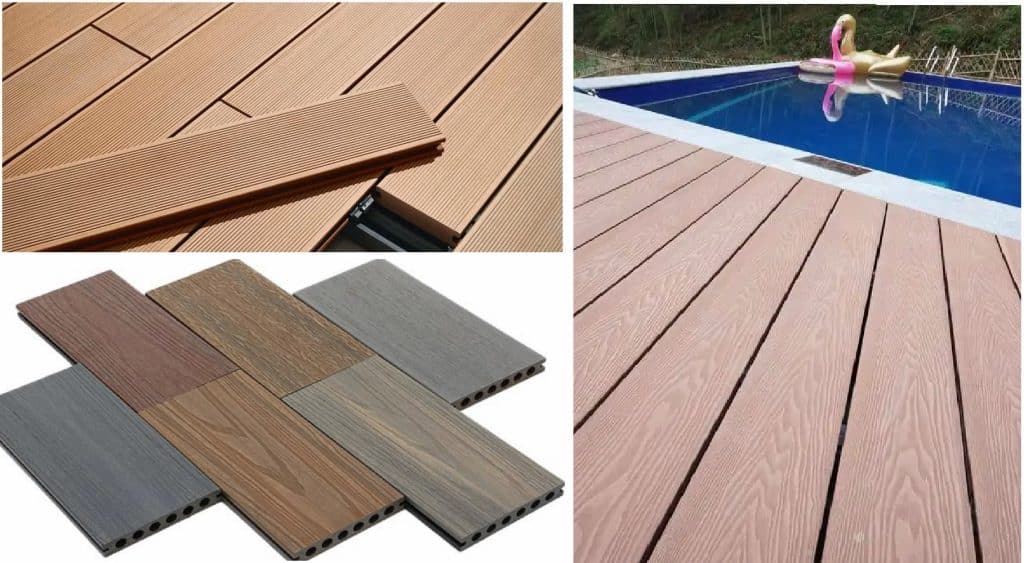
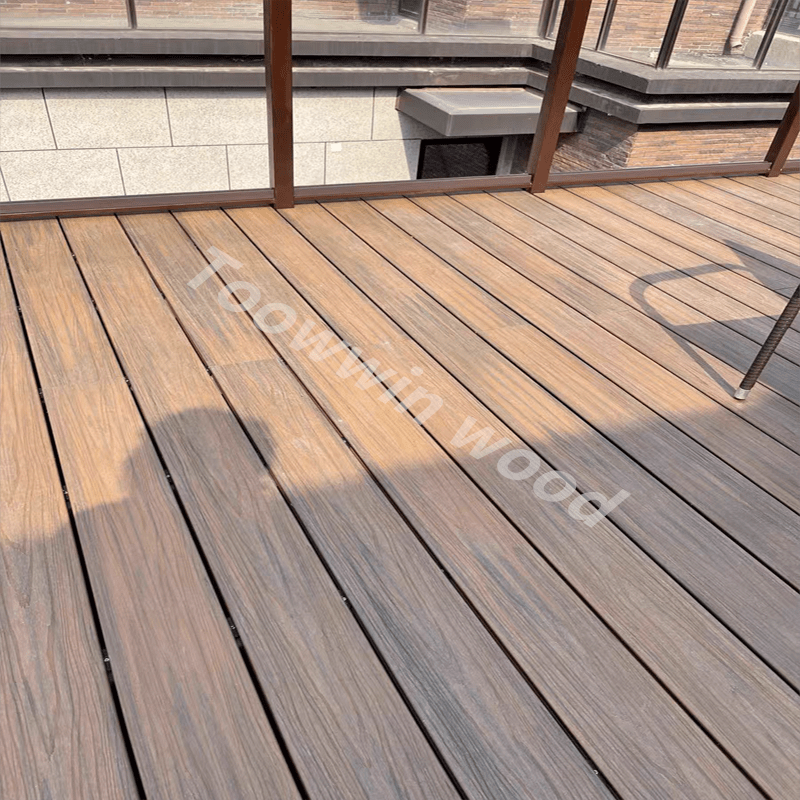
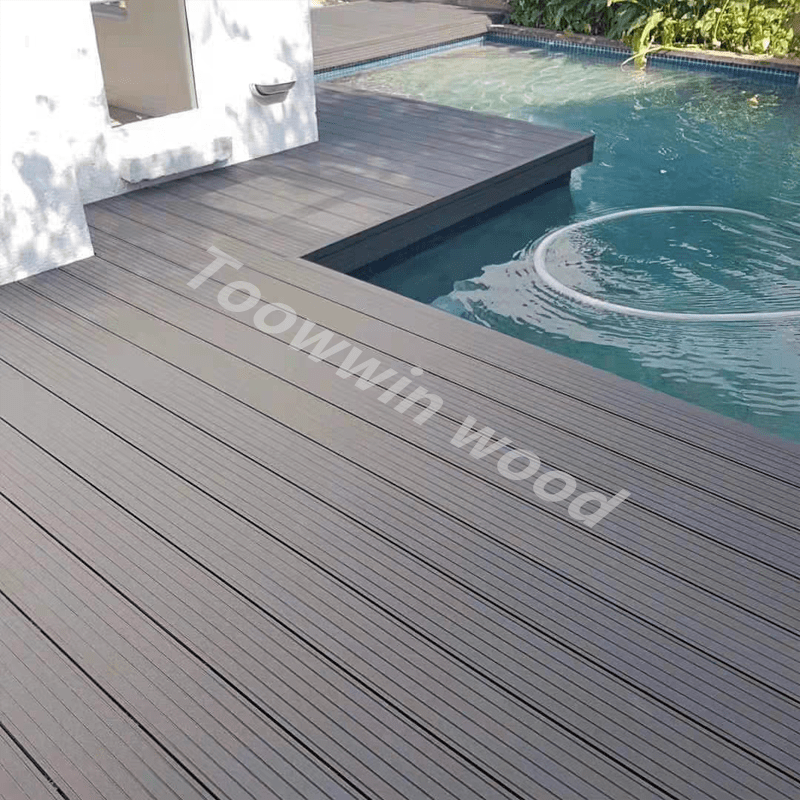
Понимание эволюции материалов для террасной доски
Чтобы по-настоящему оценить, почему композитные материалы представляют собой значительное улучшение, полезно взглянуть на то, как развивались террасные доски на протяжении многих лет.
Царствование традиционной древесины
Исторически сложилось так, что если вы хотели построить террасу, вы делали это из дерева. Твердые породы дерева, такие как тик и ипе, или обработанные мягкие породы, такие как сосна, обладают естественной красотой и классическим видом. Однако традиционная древесина имеет существенные недостатки:
- Уязвимость перед стихиями: Древесина естественным образом расширяется, сжимается и в конечном итоге гниет под воздействием влаги и перепадов температур.
- Заражение вредителями: Термиты и другие древоточцы могут быстро разрушить деревянную конструкцию.
- Высокие требования к техническому обслуживанию: Чтобы деревянная терраса выглядела хорошо и не гнила, требуется регулярная шлифовка, покраска и герметизация — дорогостоящий и трудоемкий процесс.
Расцвет композитных материалов
Осознав ограничения натуральной древесины, отрасль начала поиски материала, который предлагал бы эстетическую привлекательность древесины без сложного ухода. Это привело к разработке композитных террасных досок. Первые поколения имели некоторые проблемы с выцветанием и пятнами, но современные технологии древесно-полимерных композитов преодолели эти первоначальные трудности. Сегодняшние композитные доски — это настоящие шедевры инженерной мысли, разработанные для того, чтобы выдерживать самые суровые условия окружающей среды.
Что же такое древесно-пластиковый композит?
Прежде чем перейти к преимуществам, давайте определим, что это за материал. Настил из древесно-пластикового композита Древесно-полимерный композит (ДПК) — это гибридный материал, состоящий из двух основных компонентов:
- Древесные волокна/мука: Зачастую это достигается за счет переработки древесных опилок, щепы и других побочных продуктов лесоматериалов. Этот компонент придает доскам естественную текстуру и прочность.
- Термопласты: Сюда входят такие материалы, как полиэтилен (ПЭ), полипропилен (ПП) или поливинилхлорид (ПВХ). Эти пластмассы часто изготавливаются из переработанных материалов, таких как пластиковые пакеты, бутылки и молочные кувшины.
Эти материалы нагревают, смешивают с пигментами и УФ-ингибиторами, а затем экструдируют, придавая им форму досок для террасы. Полученный продукт обволакивает древесные волокна пластиком, защищая их от влаги и вредителей, сохраняя при этом внешний вид, похожий на древесину.
Основные преимущества: почему WPC — лучший выбор
При сравнении древесно-полимерного композита с традиционной древесиной или даже другими синтетическими аналогами, ряд ключевых преимуществ делает его лучшим выбором для любого современного проекта по благоустройству территории.
1. Непревзойденная прочность и долговечность.
Основная причина, по которой многие домовладельцы переходят на такой вариант, — это долговечность. Наружная террасная доска из композитного материала WPC система Изготовлен из древесины, рассчитанной на значительно более длительный срок службы по сравнению с традиционной древесиной при тех же условиях.
- Устойчивость к гниению и разрушению: Поскольку древесные волокна заключены в пластиковую оболочку, они не могут впитывать влагу. Это означает, что доски не будут гнить, разбухать или деформироваться даже в очень влажном климате.
- Защита от насекомых: Термиты и другие вредители не заинтересованы в поедании пластика. Ваша терраса из ДПК (древесно-полимерного композита) полностью защищена от повреждений насекомыми.
- Без заноз: В отличие от дерева, композитные доски никогда не расщепляются, что делает их гораздо безопаснее для босых ног, детей и домашних животных.
2. Привлекательность низких затрат на обслуживание
Пожалуй, самым известным преимуществом является то, насколько мало усилий требуется для поддержания композитной террасы в идеальном состоянии. Традиционные деревянные террасы требуют тщательного ухода. Их необходимо тщательно чистить, удалять старое покрытие, шлифовать и наносить новую пропитку или герметик каждые несколько лет.
A Настил из композитного материала WPC, не требующий особого ухода Эта система практически полностью исключает всю эту изнурительную работу.
- Без покраски и обработки морилкой: Цвет вводится в материал в процессе производства, а это значит, что его никогда не нужно красить, покрывать морилкой или защитным составом.
- Простая уборка: Для поддержания чистоты композитной террасы обычно достаточно мягкого мыла и воды. Небольшая уборка мусора и периодическая чистка щеткой позволят сохранить ее первозданный вид.
- Экономия средств с течением времени: Хотя первоначальная стоимость древесно-полимерного композита может быть выше, чем у некоторых других пород мягкой древесины, отсутствие затрат на техническое обслуживание (пропитка морилкой, щетки, шлифовальные машины или услуги профессионала) означает, что композитная террасная доска часто окупается в течение первых пяти-семи лет.
Сравнительная таблица: ДПК против традиционной древесины
| Особенность | Древесно-пластиковый композит | Традиционная древесина |
|---|---|---|
| Обслуживание | Низкий уровень влажности (только мыло и вода) | Высокая степень детализации (шлифовка, покраска, герметизация) |
| Устойчивость к гниению | Отличный | Плохое состояние (без регулярного лечения) |
| Расщепление | Нет | Да |
| Повреждения от насекомых | Иммунитет | Восприимчивый |
| Продолжительность жизни | 25-30+ лет | 10-15 лет (зависит от технического обслуживания) |
| Первоначальные затраты | Умеренный до высокого | Низкий до умеренного |
| Долгосрочные затраты | Низкий | Высокий |
3. Исключительные эстетические возможности
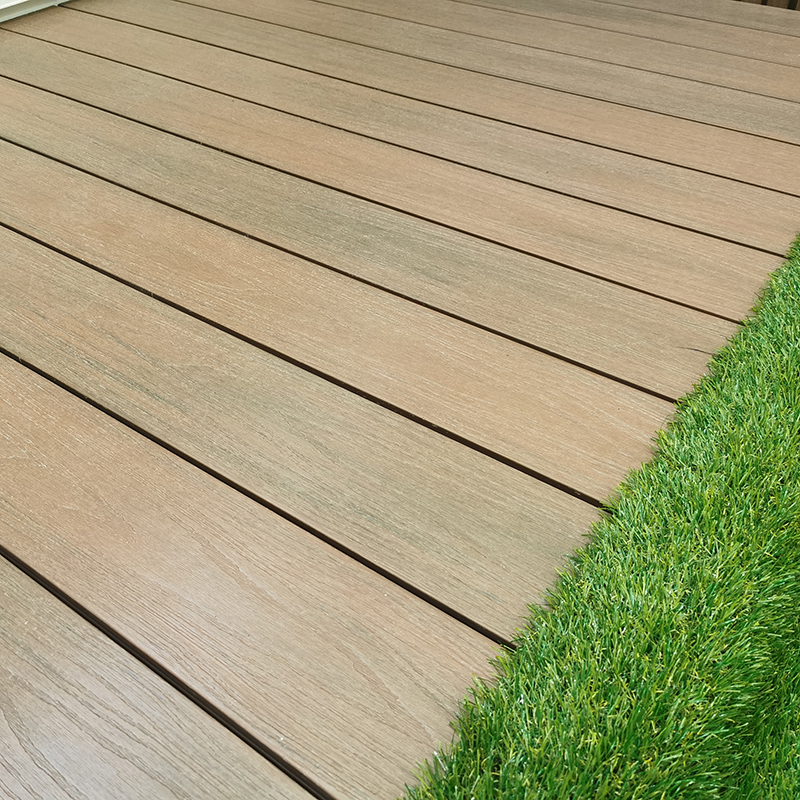
Первые композитные плиты выглядели несколько искусственно, но современные технологии производства произвели революцию в эстетике древесно-полимерных композитов. Сегодня можно найти композитные плиты, которые по внешнему виду и текстуре очень похожи на высококачественную древесину твердых пород.
- Реалистичные текстуры: Производители используют глубокое тиснение и передовые технологии формования для создания реалистичных узоров древесной текстуры, которые выглядят и даже ощущаются как натуральная древесина.
- Разнообразные цветовые палитры: Независимо от того, предпочитаете ли вы насыщенные темные тона ореха, теплые оттенки кедра или современные серые тона, найдется цвет WPC, который подойдет к дизайну экстерьера вашего дома.
- Устойчивость к выцветанию и пятнам: Современные древесно-полимерные плиты покрываются (соэкструдируются) дополнительным защитным слоем, обеспечивающим превосходную устойчивость к выцветанию под воздействием ультрафиолетового излучения и пятнам от пищи или жира.
4. Экологически чистый выбор
Может показаться нелогичным, что продукт, содержащий пластик, является экологичным, но террасная доска из древесно-полимерного композита на самом деле является одним из самых экологичных строительных материалов, доступных для использования на открытом воздухе.
- Переработанные материалы: Подавляющее большинство древесно-полимерных плит изготавливается из переработанных материалов, соответствующих стандартам 80%–95%. Сочетая переработанные древесные волокна и переработанный бытовой пластик, отрасль предотвращает ежегодное попадание миллионов тонн отходов на свалки.
- Без токсичных химикатов: Традиционная древесина, обработанная под давлением, часто пропитывается агрессивными химическими веществами для защиты от гниения и насекомых. Древесно-полимерный композит (ДПК) не требует такой химической обработки, что делает его более безопасным для почвы и воды вокруг вашего дома.
- Сохранение лесов: Использование муки из переработанной древесины и снижение спроса на древесину первичного происхождения позволяют композитным террасным настилам способствовать сохранению природных лесов.
Оформление вашего открытого пространства с использованием ДПК (древесно-полимерного композита)
Универсальность композитных материалов позволяет использовать их не только для создания простых квадратных платформ. При планировании вашего открытого пространства учитывайте следующие элементы дизайна:
Бесшовное перетекание из помещения на улицу
Современный дизайн дома делает акцент на плавном переходе между внутренними и внешними жилыми зонами. Для этого идеально подходит террасная доска из ДПК (древесно-полимерного композита). Выбрав цвет и текстуру, дополняющие напольное покрытие внутри дома, вы можете создать иллюзию одного большого, непрерывного пространства, благодаря чему ваш дом будет казаться намного больше.
Многоуровневые террасы и элементы благоустройства
Благодаря своей прочности и однородности, древесно-полимерный композит отлично подходит для сложных конструкций.
- Многоуровневые пространства: Создайте отдельные зоны для обеда, отдыха и приготовления пищи, построив многоуровневую террасу.
- Встроенные сиденья и кашпо: Используйте одни и те же композитные доски для изготовления встроенных скамеек и ящиков для растений, чтобы создать гармоничный, индивидуальный дизайн.
- Изогнутые формы: Специализированные древесно-полимерные плиты можно нагревать и сгибать, создавая элегантные изогнутые края террасной доски, что невероятно сложно сделать с традиционной древесиной.
Зоны вокруг бассейна и влажные зоны
Влагостойкость Наружная террасная доска из композитного материала WPC решение Это делает его идеальным материалом для облицовки бассейнов и гидромассажных ванн. В отличие от дерева, он не так легко покрывается водорослями и не гниет от постоянного воздействия брызг. Кроме того, отсутствие заноз на поверхности крайне важно для безопасности ходьбы босиком возле бассейна.
Важные моменты, которые следует учитывать при покупке ДПК (древесно-полимерного композита).
Хотя WPC, безусловно, является лучшим выбором для большинства задач, при выборе конкретных плат следует учитывать несколько моментов:
- Ограниченное или неограниченное количество: Всегда выбирайте композитные террасные доски с “покрытием” или соэкструдированные. Эти доски имеют дополнительный полимерный слой, покрывающий сердцевину, что значительно повышает их устойчивость к выцветанию, пятнам и царапинам по сравнению со старыми, непокрытыми покрытиями.
- Пустотелые и цельные доски: Пустотелые доски легче и зачастую дешевле, но они могут выглядеть менее реалистично с торцов и могут задерживать воду, если не обеспечен надлежащий дренаж. Доски из цельного массива больше похожи на натуральное дерево, прочнее и, как правило, предпочтительнее для элитных жилых проектов.
- Рифленый или квадратный край: Доски с пазами предназначены для использования со скрытыми крепежными элементами, что обеспечивает гладкую поверхность террасы без шурупов. Доски с прямыми краями обычно используются для бордюров или лестниц, где край доски будет виден.
Процесс установки
Хотя эта статья не содержит полного руководства по самостоятельному монтажу, важно понимать, что установка ДПК несколько отличается от работы с традиционной древесиной.
- Расширение и сжатие: Хотя древесно-полимерный композит (ДПК) не набухает от влаги, он слегка расширяется и сжимается при изменении температуры. Монтажники должны оставлять точные зазоры между плитами, чтобы компенсировать это тепловое расширение.
- Скрытые крепежные элементы: Для максимальной эстетической привлекательности и во избежание проникновения влаги через поверхностные отверстия, большинство высококачественных террасных досок из ДПК устанавливаются с использованием скрытых крепежных систем, а не с помощью саморезов.
- Подконструкция: Несущие конструкции (балки и перекрытия) обычно по-прежнему изготавливаются из древесины, обработанной под давлением, хотя для большей долговечности все чаще используются стальные или алюминиевые каркасы. Убедитесь, что ваша несущая конструкция построена в соответствии с требованиями производителя к расстоянию между балками, поскольку древесина, обработанная под давлением, может провисать, если ее не поддерживать должным образом.
Заключение
Выбор подходящего материала для вашей зоны отдыха на открытом воздухе — это важное решение, которое повлияет не только на внешний вид вашего дома, но и на ваш образ жизни и финансы на десятилетия вперед.
Хотя первоначальная привлекательность традиционной деревянной террасы понятна, реальность необходимого ухода часто превращает эту привлекательность в разочарование. Выбирая Настил из композитного материала WPC, не требующий особого ухода решение, Вы инвестируете в продукт, который дарит красоту дерева без необходимости постоянного труда.
Превосходная прочность, экологичность и потрясающие эстетические возможности делают WPC явным фаворитом для современных домовладельцев. Он позволяет проводить выходные, наслаждаясь отдыхом на свежем воздухе, принимая друзей и расслабляясь с семьей, вместо того чтобы заниматься шлифованием и покраской. Если учесть долгосрочную экономию средств, то композитная террасная доска из WPC — это не просто лучший выбор; это самый разумный выбор для превращения вашего заднего двора в долговечный оазис.
об авторе
Йина – менеджер по продажам в Африке
Обладая 10-летним опытом работы в сфере производства древесно-полимерных композитов (ДПК), она отвечает за продажи в Африке и оказывает поддержку европейскому рынку. Она также преуспевает в разработке продукции и имеет глубокие знания о крупнейших китайских производителях ДПК.
Часто задаваемые вопросы
1. Не перегревается ли композитная террасная доска из ДПК на солнце?
Как и любое наружное покрытие, композитная террасная доска будет сохранять тепло под прямыми солнечными лучами. Темные цвета, естественно, будут нагреваться сильнее, чем светлые. Однако современные высококачественные доски из древесно-полимерного композита (ДПК) разработаны с использованием улучшенной технологии теплоотвода. Хотя они могут нагреваться, как правило, они не нагреваются сильнее, чем традиционная древесина, окрашенная в аналогичный цвет, и остаются комфортными при обычном использовании. Если ваша терраса подвергается воздействию интенсивного прямого полуденного солнца, выбор более светлой цветовой гаммы будет хорошей стратегией.
2. Могу ли я установить террасную доску из ДПК самостоятельно, или мне нужен профессионал?
Если у вас есть солидные навыки плотника и опыт строительства традиционных террас, вы, вероятно, сможете самостоятельно установить террасу из ДПК (древесно-полимерного композита). Инструменты для резки и фрезеровки такие же, как и для дерева. Однако, поскольку материал ведет себя иначе в отношении теплового расширения и часто использует специальные системы скрытого крепления, необходимо тщательно следовать инструкциям производителя по установке. Для сложных конструкций или если вы не уверены в своих силах, настоятельно рекомендуется нанять лицензированного подрядчика, имеющего опыт работы с композитными материалами, чтобы гарантировать сохранение гарантии.
3. Полностью ли не требует ухода террасная доска из ДПК?
Ни один наружный строительный материал не обходится без полного ухода. Хотя ДПК (древесно-полимерный композит) избавляет от необходимости шлифовки, покраски и герметизации, для поддержания наилучшего внешнего вида он все же требует базовой чистки. Следует регулярно убирать листья и мусор, чтобы предотвратить образование плесени на поверхности, и периодически мыть террасу мягким мылом и водой, чтобы удалить грязь или пыльцу. Эта простая процедура чистки намного проще и менее трудоемка, чем уход, необходимый для традиционной древесины.