



Inhaltsverzeichnis
Im sich stetig wandelnden Umfeld moderner Architektur und Hausrenovierung war der Übergang von traditionellen Materialien zu fortschrittlichen Verbundwerkstoffen geradezu revolutionär. Zu diesen Innovationen zählen:, WPC-Terrassendielen (Holz-Kunststoff-Verbundwerkstoff) WPC-Terrassendielen gelten als Inbegriff von Langlebigkeit, Ästhetik und Umweltverträglichkeit. Ob Sie als Hausbesitzer Ihren Garten verschönern möchten oder als Bauunternehmer die besten Materialien für ein stark frequentiertes Gewerbeprojekt suchen – das Verständnis der Feinheiten von WPC-Terrassendielen ist unerlässlich.
Dieser umfassende Leitfaden beleuchtet alles Wissenswerte über WPC-Verbunddielen – von ihrer wissenschaftlichen Zusammensetzung und ihren wichtigsten Vorteilen über bewährte Installationsmethoden bis hin zu ihrer Rolle in der Zukunft des nachhaltigen Bauens.
Was genau sind WPC-Verbunddielen?
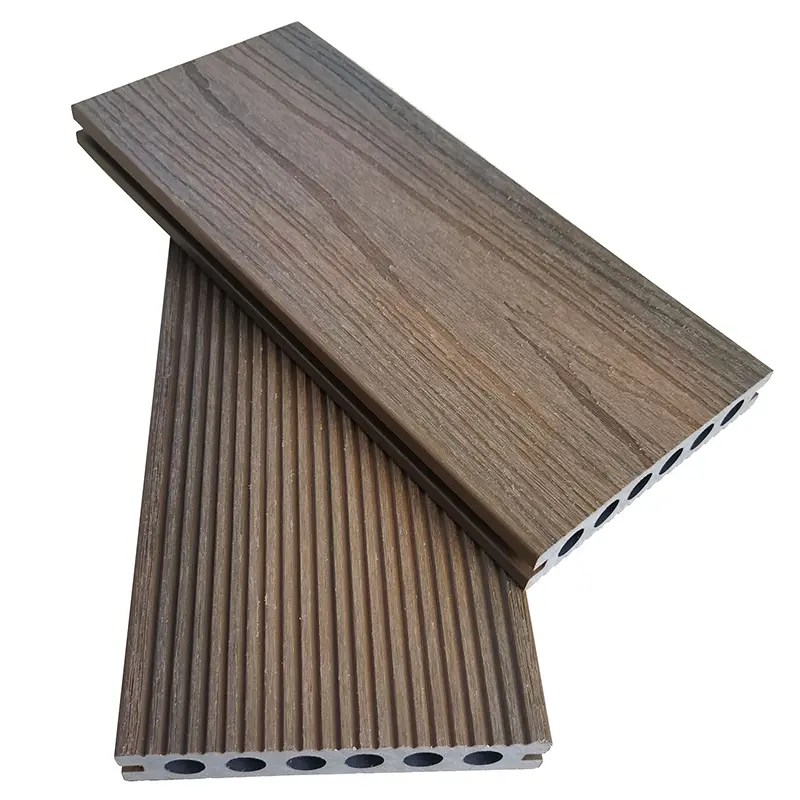
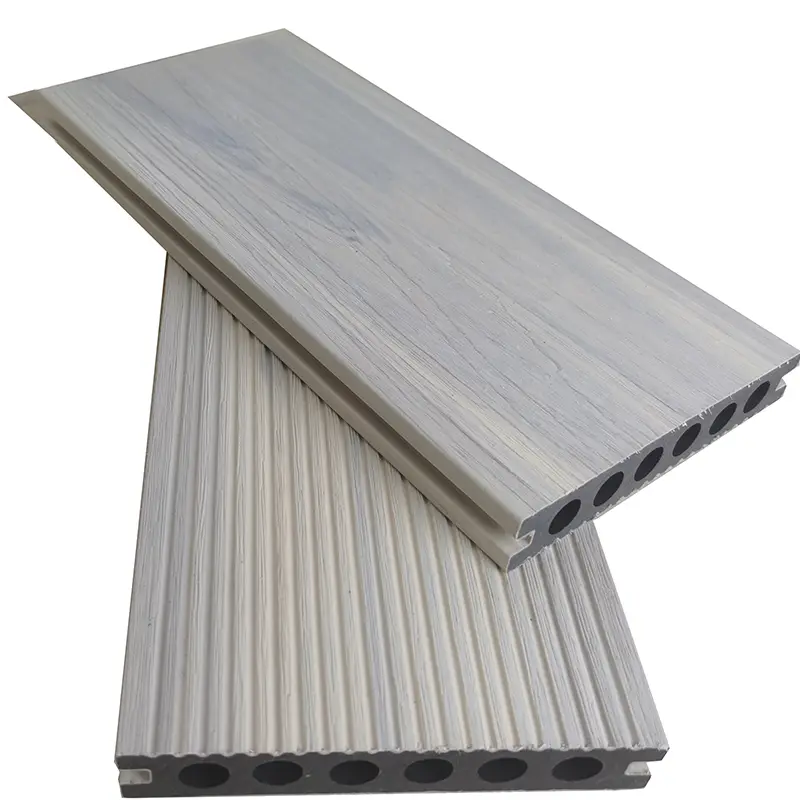
aus WPC, oder Holz-Kunststoff-Verbundwerkstoff, Es handelt sich um einen Hybridwerkstoff aus Holzfasern (typischerweise Sägemehl oder Holzspänen) und Thermoplasten (wie PE, PP oder PVC). Durch die Kombination dieser beiden unterschiedlichen Elemente schaffen Hersteller ein Produkt, das die natürliche Wärme und Optik von Echtholz besitzt und gleichzeitig die Widerstandsfähigkeit und Pflegeleichtigkeit von Kunststoff aufweist.
Die Anatomie einer WPC-Platine
Moderne WPC-Terrassendielen werden oft in zwei Typen unterteilt:
- Unbegrenztes (traditionelles) WPCDie erste Generation von Verbunddielen, bei der die Holz-Kunststoff-Mischung an allen Seiten sichtbar ist.
- Ummanteltes (koextrudiertes) WPCDer neueste Industriestandard. Diese Platten verfügen über eine zusätzliche Schutzschicht, die während des Extrusionsprozesses mit dem Kern verschmolzen wird. Diese Schutzschicht bietet hervorragenden Schutz vor Ausbleichen, Fleckenbildung und Schimmel.
Warum WPC-Terrassendielen den Markt dominieren: Wichtigste Vorteile
Jahrelang war druckimprägniertes Holz die erste Wahl für Außenbereiche.
1. Unübertroffene Langlebigkeit und Witterungsbeständigkeit
Im Gegensatz zu Naturholz, das porös und anfällig für Fäulnis ist, ist WPC so konstruiert, dass es selbst härtesten Umgebungsbedingungen standhält.
- FeuchtigkeitsschutzDie Kunststoffkomponente verhindert die Wasseraufnahme, sodass sich die Platten auch in feuchten Klimazonen nicht verziehen, reißen oder splittern.
- UV-Stabilität: Um sicherzustellen, dass die satten Farben über Jahrzehnte hinweg leuchtend bleiben und dem Ausbleichen durch die Sonne widerstehen, sind in die Platten hochentwickelte UV-Inhibitoren integriert.
- SchädlingsresistenzTermiten und Zimmermannsameisen finden in Verbundplatten nichts zu fressen, wodurch der Einsatz giftiger chemischer Behandlungen entfällt.
2. Geringer Wartungsaufwand: Der “Einrichten und Vergessen”-Lebensstil
Eines der stärksten Verkaufsargumente für WPC-Terrassendielen ist der Wegfall der jährlichen Wartungsarbeiten.
- Kein Schleifen oder BeizenVerabschieden Sie sich von den wochenendlangen Projekten des Abschleifens und Neulackierens Ihrer Terrasse.
- Einfache ReinigungDie meisten Flecken und Verschmutzungen lassen sich mit nichts anderem als Seife, Wasser und einer weichen Bürste entfernen.
- Langfristige ErsparnisseObwohl die anfängliche Investition in WPC höher ist als in Holz, amortisiert es sich aufgrund der fehlenden Wartungskosten in der Regel innerhalb von 5 bis 7 Jahren.
3. Sicherheit und Komfort
Hausbesitzer mit Kindern und Haustieren legen Wert auf Sicherheit. WPC-Terrassendielen bieten:
- Splitterfreie OberflächeDie Verbundkonstruktion gewährleistet, dass Sie barfuß laufen können, ohne das Risiko schmerzhafter Splitter.
- RutschfestigkeitViele WPC-Profile sind mit tiefen Narbenstrukturen versehen, die auch bei Nässe für hervorragende Griffigkeit sorgen.
WPC vs. Traditionelles Holz vs. PVC: Eine vergleichende Analyse
Um Ihnen eine fundierte Entscheidung zu ermöglichen, vergleichen wir WPC mit seinen Hauptkonkurrenten:
| Besonderheit | WPC-Verbundwerkstoff | Druckimprägniertes Holz | Zell-PVC |
|---|---|---|---|
| Ästhetik | Hoch (realistische Holzmaserung) | Natürlich (Variiert) | Synthetische/Plastikoptik |
| Wartung | Minimal | Hoch (jährliche Abdichtung) | Minimal |
| Haltbarkeit | 25+ Jahre | 10–15 Jahre | Über 30 Jahre |
| Umweltfreundlichkeit | Sehr hoher Recyclinganteil | Niedrig (chemische Behandlungen) | Niedrig (Reiner Kunststoff) |
| Kosten | Mittel bis hoch | Niedrig | Hoch |
PVC ist zwar ebenfalls pflegeleicht, vermittelt aber nicht die natürliche Haptik von Holz. WPC bietet den idealen Kompromiss: eine hochwertige Optik ohne den typischen “Kunststoffglanz”.
Nachhaltiges Bauen: Die Umweltauswirkungen von WPC
Da das weltweite Bewusstsein für die Problematik der Entwaldung und des Plastikmülls wächst, haben sich WPC-Terrassendielen als Vorreiter der “Kreislaufwirtschaft” etabliert.”
Recyclingmaterial
Die meisten Hersteller hochwertiger WPC-Produkte verwenden bis zu 90% recycelte Materialien. Dies umfasst:
- AltholzSägemehl aus Möbelfabriken, das sonst verbrannt oder auf Mülldeponien entsorgt würde.
- Recycelte Kunststoffe: Gebrauchte Waschmittelflaschen, Einkaufstüten und Plastikfolien.
Mit der Wahl von WPC verhindern Sie effektiv, dass Tausende Kilogramm Plastik ins Meer gelangen, und reduzieren die Nachfrage nach Primärholz. Da WPC zudem doppelt so lange hält wie herkömmliches Holz, ist der CO₂-Fußabdruck über den gesamten Lebenszyklus deutlich geringer.
Bewährte Installationsmethoden für dauerhafte Ergebnisse
Die Verlegung von WPC-Terrassendielen unterscheidet sich von der Verarbeitung von Massivholz. Damit Ihre Garantie erhalten bleibt und Ihre Terrasse makellos aussieht, beachten Sie diese Expertentipps:
- Beachten Sie die Ausdehnung und KontraktionAufgrund des Kunststoffanteils dehnen sich WPC-Platten bei Temperaturänderungen aus und ziehen sich zusammen. Beachten Sie daher stets die Abstandsangaben des Herstellers.
- Richtiger BalkenabstandAchten Sie auf eine stabile Unterkonstruktion. Die meisten WPC-Platten benötigen einen maximalen Achsabstand von 30 bis 40 cm zwischen den Balken, um ein Durchhängen zu verhindern.
- Verdeckte BefestigungselementeVerwenden Sie verdeckte Befestigungssysteme für eine saubere, schraubenlose Oberfläche. Dies sieht nicht nur besser aus, sondern schützt auch die Oberfläche der Platine.
- BelüftungSorgen Sie für ausreichende Luftzirkulation unter der Terrasse, um Hitzestau und Feuchtigkeitseinschlüsse unter den Dielen zu vermeiden.
Designtrends bei WPC-Terrassendielen für 2026
Die ästhetischen Möglichkeiten von WPC haben sich deutlich erweitert. Wir beobachten eine Verlagerung hin zu Folgendem:
- Mehrfarbige Farben: Bretter, die die Maserung exotischer Harthölzer wie Ipe oder Teak imitieren.
- Gemischte Breiten: Durch die Verwendung von Brettern unterschiedlicher Breite entsteht ein rustikaler, handgefertigter Look.
- Übergang zwischen Innen- und Außenbereich: Die Farbe der Außenterrasse wird an den Bodenbelag im Innenbereich angepasst, um einen nahtlosen Übergang zwischen Wohnzimmer und Terrasse zu schaffen.
Fazit: Ist WPC-Terrassendielen das Richtige für Sie?
Terrassendielen aus WPC-Verbundwerkstoff Es verkörpert die Verbindung von Technologie und Natur. Es löst das altbekannte Problem des Holzverfalls und erfüllt gleichzeitig den modernen Anspruch an nachhaltige, ästhetische und pflegeleichte Baumaterialien. Auch wenn die Anschaffungskosten zu berücksichtigen sind, machen die Sicherheit, die Langlebigkeit und die damit verbundene Sicherheit es zur optimalen Wahl für jeden modernen Außenbereich.
Wenn Sie eine Terrassenlösung suchen, die es Ihnen ermöglicht, Ihre Sommer entspannt statt mit Arbeit zu verbringen, WPC ist der klare Gewinner.
Häufig gestellte Fragen (FAQ)
Wird WPC-Terrassendielen in der Sonne zu heiß?
Wie jede Außenfläche absorbiert auch WPC-Terrassendielen Wärme. Moderne “Cool-Deck”-Technologien und hellere Farboptionen können die Wärmespeicherung jedoch deutlich reduzieren. Ummantelte Verbundwerkstoffe sind im Allgemeinen angenehmer zu begehen als ältere Generationen. Dennoch empfehlen wir, an besonders heißen Tagen Schuhe zu tragen, wenn die Terrasse in der prallen Sonne liegt.
Kann ich WPC-Terrassendielen in der Nähe eines Swimmingpools oder eines Salzwasserpools verlegen?
Ja! WPC ist ideal für Poolumrandungen geeignet, da es äußerst beständig gegen Feuchtigkeit, Chlor und Salz ist. Dank seiner rutschfesten Eigenschaften und der Splitterfreiheit ist es im Vergleich zu herkömmlichem Holz deutlich sicherer für Nassbereiche.
Wie entferne ich Kratzer oder Flecken von meiner Komposit-Terrasse?
Bei beschichtetem WPC lassen sich die meisten Flecken mit einem feuchten Tuch abwischen. Kleinere Kratzer verschwinden oft mit der Zeit durch natürliche Witterungseinflüsse. Vermeiden Sie Drahtbürsten oder aggressive Chemikalien; verwenden Sie stattdessen spezielle Produkte für Verbundwerkstoffe oder einfach mildes Spülmittel.