



Table des matières
Choisir la clôture idéale pour votre espace extérieur est une décision importante. Il ne s'agit pas seulement de délimiter votre terrain ; c'est aussi préserver votre intimité, sécuriser votre propriété et sublimer l'esthétique de votre maison. Les matériaux traditionnels comme le bois et le fer forgé ont longtemps été la référence, mais ces dernières années, une alternative moderne a conquis le marché. Cette alternative offre l'aspect classique du bois sans les contraintes d'entretien. Si vous recherchez une solution durable, facile d'entretien et esthétique, il est essentiel de savoir choisir la clôture composite WPC adaptée à votre projet.
Composite bois-plastique (WPC) Ce matériau révolutionne l'aménagement paysager extérieur, tant pour les particuliers que pour les professionnels. Alliant les meilleures propriétés des fibres de bois et des plastiques recyclés, il offre une durabilité et une résistance aux intempéries inégalées. Que vous souhaitiez créer un havre de paix dans votre jardin ou simplement embellir les abords de votre propriété, le choix peut s'avérer complexe. Ce guide complet vous accompagnera à chaque étape pour vous permettre de prendre une décision éclairée dont vous profiterez pleinement pendant des décennies.
Comprendre les composites bois-plastique (WPC)
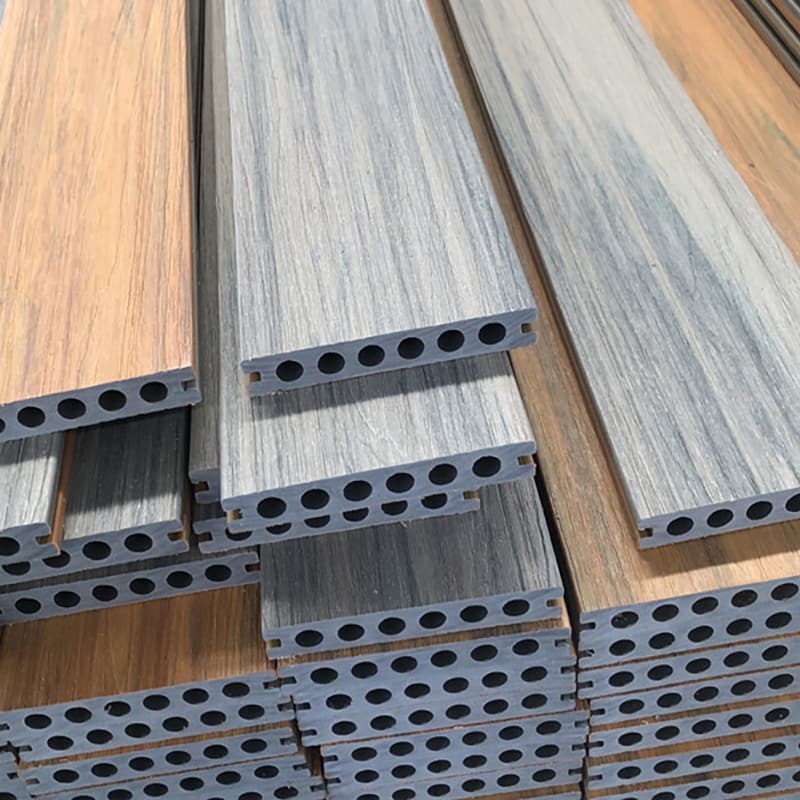
Avant de vous lancer dans le processus de sélection, il est essentiel de bien comprendre ce que vous achetez. Le composite bois-plastique, comme son nom l'indique, est un matériau hybride. Il est généralement composé d'un mélange de fibres de bois recyclées (comme de la sciure ou des copeaux de bois) et de plastiques recyclés (comme du polyéthylène ou du polypropylène), liés entre eux par des adhésifs spécifiques et des inhibiteurs d'UV.
Cette composition unique confère au produit une résistance à la pourriture, à la décomposition et aux insectes, fléaux courants du bois traditionnel. Contrairement au bois naturel, une clôture en composite WPC ne nécessite ni peinture, ni teinture, ni vernissage régulier. Un simple lavage à l'eau savonneuse suffit généralement à lui conserver son aspect neuf. Ce faible entretien est l'une des principales raisons pour lesquelles de plus en plus de propriétaires optent pour ce matériau.
Les avantages du composite
Choisir ce matériau innovant offre plusieurs avantages distincts par rapport aux options de clôture conventionnelles :
- Durabilité et longévité : La composante plastique confère au matériau une grande résistance à l'humidité, ce qui signifie qu'il ne se déformera pas, ne se fendillera pas et ne pourrira pas comme le bois naturel. Il est conçu pour résister aux conditions climatiques les plus extrêmes, des étés caniculaires aux hivers rigoureux.
- Faible entretien: Dites adieu aux week-ends passés à poncer et à teindre. La couleur est intégrée au matériau lors de sa fabrication, garantissant un éclat durable sans retouches constantes.
- Écologique : De nombreux fabricants utilisent des matériaux recyclés, réduisant ainsi les déchets mis en décharge. En choisissant un produit fabriqué à partir de bois et de plastique recyclés, vous faites un choix écoresponsable.
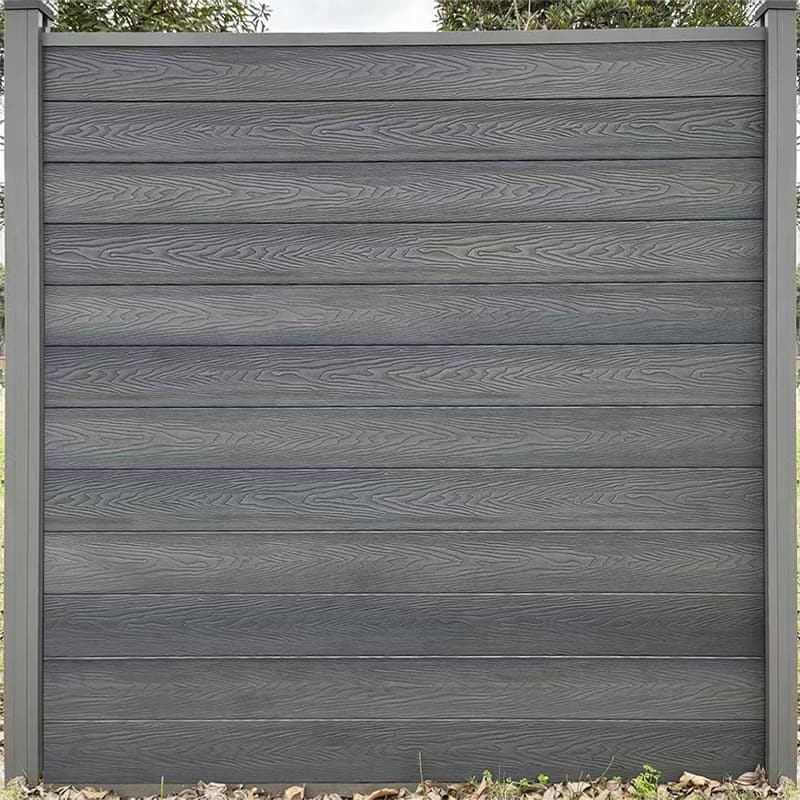
- Appel esthétique : Les techniques de fabrication modernes permettent d'obtenir des textures de grain de bois incroyablement réalistes et une vaste palette de couleurs. Vous pouvez ainsi recréer l'aspect naturel du bois sans ses inconvénients.
- Sécurité: Sans risque d'éclats, ces clôtures sont plus sûres pour les familles avec enfants et animaux domestiques.
Facteurs clés à prendre en compte lors du choix
Lorsque vous serez prêt à choisir la solution de clôture idéale pour votre propriété, plusieurs facteurs essentiels doivent guider votre décision. Prendre le temps d'évaluer ces éléments vous permettra de choisir un produit qui répond à vos besoins spécifiques et à vos préférences esthétiques.
1. Objectif et fonctionnalité
La première question à se poser est : quel est l'objectif principal de cette installation ?
- Confidentialité: Si votre objectif principal est de bloquer la vue depuis les propriétés voisines ou la rue, vous devrez rechercher solide panneaux de clôture composites. Ces panneaux sont conçus avec des lames emboîtables qui éliminent les interstices, offrant une intimité totale à votre oasis de jardin. Un solide clôture d'intimité Son design est idéal pour créer un environnement isolé où vous pourrez vous détendre sans vous sentir observé.
- Esthétique: Si votre objectif est avant tout décoratif, vous pourriez envisager des styles intégrant des treillis ou des espacements entre les lames. Cela permet à la lumière et à l'air de circuler tout en délimitant clairement votre propriété.
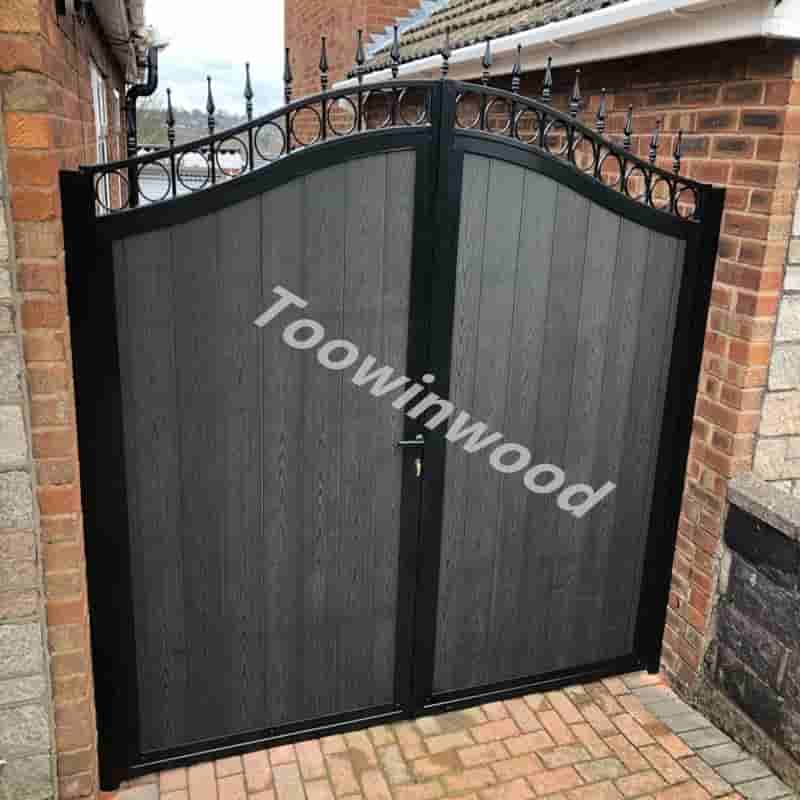
- Sécurité: Pour empêcher les animaux domestiques de s'échapper ou les intrus d'entrer, une structure plus haute et robuste est nécessaire. Assurez-vous que le produit choisi soit solide et compatible avec des portails sécurisés.
2. Conception et style
L'impact visuel de votre nouvelle limite de propriété est important. Elle doit s'harmoniser avec le style architectural de votre maison et le paysage environnant.
- Sélection des couleurs : Les matériaux WPC se déclinent dans une palette variée. Parmi les choix populaires, on retrouve les teintes classiques du bois comme le cèdre, le séquoia et le teck, ainsi que des nuances modernes de gris, d'anthracite et de noir. Tenez compte des couleurs extérieures de votre maison et choisissez une teinte qui s'harmonise avec elles ou qui crée un contraste agréable. Sachez que les couleurs claires ont tendance à se décolorer légèrement moins que les couleurs très foncées au fil du temps, même si les produits de haute qualité sont très résistants aux UV.
- Texture: Recherchez des produits présentant une texture de grain de bois profonde et en relief. Cela ajoute du réalisme et un attrait visuel. Certains fabricants proposent des finitions brossées ou lisses pour un style plus contemporain.
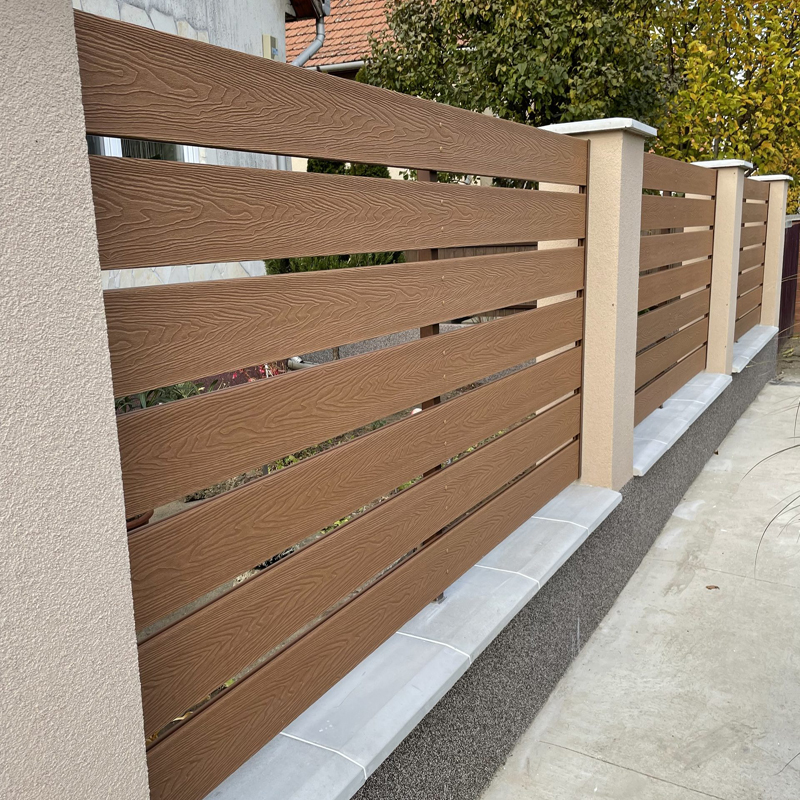
- Style de panneau : Préférez-vous un aspect traditionnel avec des panneaux verticaux, un design horizontal épuré ou peut-être un style caisson ? L’orientation des panneaux peut modifier considérablement l’aspect général de l’installation. clôture de jardin en composite WPC Il utilise souvent des planches horizontales pour créer une impression de modernité et d'espace dans les espaces extérieurs.
3. Qualité et composition
Tous les matériaux composites ne se valent pas. La qualité des ingrédients et du procédé de fabrication joue un rôle crucial dans les performances et la durée de vie du produit.
- Avec ou sans plafond : Il s'agit peut-être de la distinction la plus importante en matière de technologie composite. Les panneaux non revêtus constituent la première génération de WPC. Bien que durables, ils sont plus sensibles à la décoloration, aux taches et à la formation de moisissures. Les panneaux revêtus sont dotés d'une enveloppe polymère protectrice qui encapsule le matériau central. Cette couche extérieure offre une résistance supérieure aux rayons UV, aux taches (comme celles causées par un hamburger tombé ou des fientes d'oiseaux) et aux rayures. Pour une performance optimale à long terme, il est fortement conseillé d'investir dans la technologie revêtue.
- Rapport matière/matériau : Le rapport bois/plastique peut varier d'un fabricant à l'autre. Un mélange courant est composé d'environ 50 % de fibres de bois et 50 % de plastique. Une plus grande proportion de plastique peut offrir une meilleure résistance à l'humidité, tandis qu'une plus grande proportion de bois peut conférer au panneau une plus grande rigidité. Renseignez-vous auprès du fournisseur sur la composition exacte de ses produits.
- Intégrité structurelle : Évaluez l'épaisseur et le poids des panneaux. Des panneaux plus épais et plus lourds sont généralement synonymes de produit plus robuste et résistant. Vérifiez si le système utilise des rails renforcés (souvent avec des inserts en aluminium) afin d'éviter tout affaissement au fil du temps, notamment pour les grandes portées.
4. Système d'installation
La méthode d'installation est un autre élément essentiel à prendre en compte, que vous envisagiez de réaliser le projet vous-même ou de faire appel à un entrepreneur professionnel.
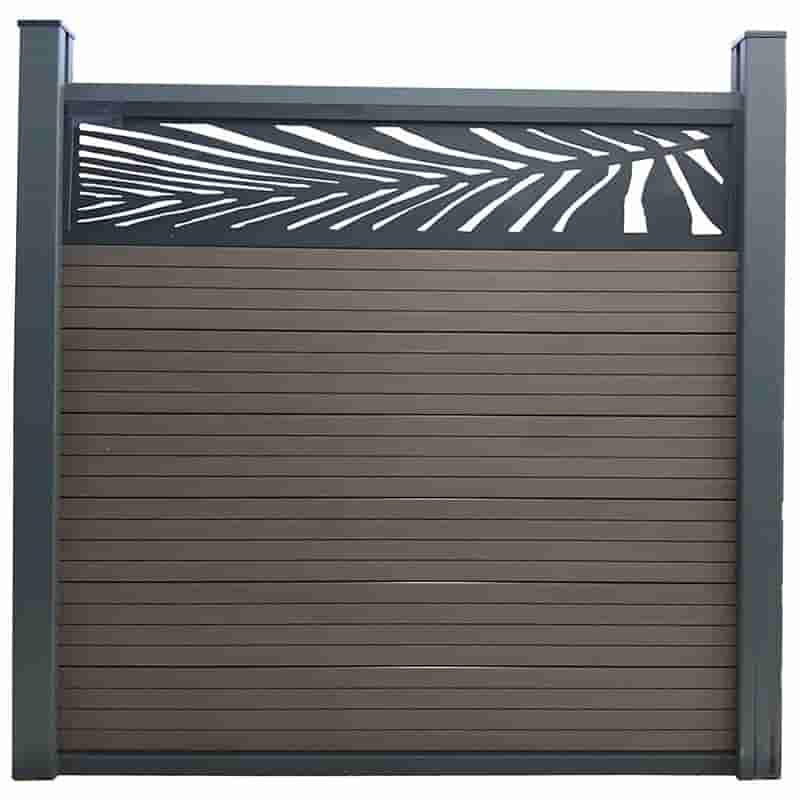
- Options de publication : De nombreux systèmes utilisent des poteaux en composite bois-plastique (WPC) spécifiques, conçus pour s'intégrer parfaitement aux panneaux. Il est également possible de réutiliser des poteaux en bois existants en les recouvrant de manchons composites ; une solution économique pour moderniser une installation ancienne. Certains systèmes modernes privilégient les poteaux en aluminium pour une résistance maximale et un style épuré et contrasté.
- Méthode d'assemblage : Privilégiez les systèmes conçus pour un assemblage facile. Nombre d'entre eux utilisent un système d'emboîtement à rainure et languette ou un système de rails coulissants où les planches s'empilent simplement les unes sur les autres dans les rainures des poteaux. Ce type de conception modulaire est extrêmement facile à réaliser soi-même et réduit considérablement le temps d'installation.
- Résistance au vent : Si vous habitez dans une région exposée à des vents violents ou à des tempêtes importantes, il est essentiel de vérifier que le système choisi a été testé et certifié pour résister aux charges de vent appropriées. Consultez le fabricant ou le fournisseur concernant les limites structurelles de ses produits.
5. Coût et garantie
Bien que le coût initial d'une installation composite soit généralement plus élevé que celui du pin traité traditionnel, il est essentiel de considérer cela comme un investissement à long terme.
- Coût total de possession : Lors de la comparaison des prix, tenez compte des coûts sur l'ensemble du cycle de vie. Une installation en bois naturel nécessite un nettoyage régulier, une teinture, le remplacement des lames déformées et, à terme, un remplacement complet bien plus tôt qu'une installation en composite. Sur une période de 10 à 20 ans, les faibles besoins d'entretien du WPC en font souvent le choix le plus économique.
- Couverture de la garantie : Examinez toujours attentivement la garantie du fabricant. Une garantie complète témoigne de la confiance du fabricant en son produit. Privilégiez les garanties couvrant la décoloration, les taches et les défauts structurels (comme la pourriture, les éclats de bois ou les dégâts causés par les termites) pendant au moins 15 à 25 ans. Assurez-vous de bien comprendre les éléments couverts et les conditions pouvant annuler la garantie.
Comparaison des clôtures en WPC avec d'autres matériaux
Pour vous aider à prendre la meilleure décision, il est utile de comparer le WPC aux autres options courantes sur le marché.
| Fonctionnalité | Composite WPC | Bois naturel (ex. cèdre/pin) | Vinyle (PVC) |
|---|---|---|---|
| coût initial | Modéré à élevé | Faible à modéré | Modéré |
| Entretien | Très faible (lavage occasionnel) | Niveau élevé (Peinture/teinture régulière) | Très faible (lavage occasionnel) |
| Durabilité | Haute résistance (Résiste à la pourriture et aux insectes) | Modéré (Susceptible à la pourriture, au gauchissement) | Élevée (Peut devenir cassante par temps froid) |
| Esthétique | Excellent (Aspect bois réaliste) | Excellent (Beauté naturelle) | Passable à bon (peut avoir un aspect “ plastique ”) |
| Écologique | Oui (souvent fabriqués à partir de matériaux recyclés) | Variable (selon la source) | Non (Nouvelle production de plastique) |
| Durée de vie | 20-30 ans et plus | 10 à 15 ans (avec entretien) | 20-30 ans et plus |
Comme le montre le tableau, le WPC offre un équilibre convaincant entre l'esthétique naturelle du bois et l'extrême durabilité et le faible entretien des matériaux synthétiques.
Planifier votre projet
Une fois que vous avez choisi le bon matériau et le bon style, une planification minutieuse est essentielle pour une installation réussie.
- Vérifiez la réglementation locale : Avant d'acheter des matériaux, renseignez-vous auprès de votre mairie ou de votre association de copropriétaires concernant les règles d'urbanisme, les restrictions de hauteur et les matériaux autorisés. Un permis de construire peut être nécessaire avant le début des travaux.
- Localiser les limites de propriété : Ne devinez jamais les limites de votre propriété. Faites appel à un géomètre-expert pour en délimiter précisément les contours afin d'éviter des litiges coûteux avec vos voisins.
- Calculer les matériaux avec précision : Mesurez soigneusement le périmètre de la zone à clôturer. Tenez compte des portails et des éventuelles variations de niveau. La plupart des fournisseurs proposent des calculateurs en ligne ou peuvent vous aider à déterminer le nombre exact de poteaux, de panneaux et d'accessoires nécessaires. Il est toujours conseillé de commander une quantité légèrement supérieure à celle calculée afin de compenser les chutes et les découpes.
- Préparer le site : Débarrassez la zone d'installation des pierres, racines et débris. Assurez-vous que le sol est relativement plat. Si vous installez les panneaux sur une pente, vous devrez choisir entre une pose en escalier ou l'adaptation aux contours du terrain (ce qui peut s'avérer complexe avec des panneaux composites rigides).
La valeur à long terme
Investir dans une solution de délimitation de qualité supérieure ne se limite pas à une satisfaction immédiate. Il s'agit d'ajouter une valeur durable à votre maison. Une structure en composite bois-plastique (WPC) bien conçue et correctement installée embellit votre façade, renforce votre intimité et crée un espace de vie extérieur plus fonctionnel et agréable.
En tenant compte de vos besoins spécifiques, en évaluant la qualité des différents produits (en privilégiant notamment la technologie à capuchon pour une meilleure durabilité) et en comprenant les exigences d'installation, vous pouvez choisir un système qui vous offrira des décennies d'esthétique et de performance. L'investissement initial est rapidement amorti par les économies de temps et d'argent réalisées sur l'entretien, vous permettant ainsi de consacrer vos week-ends à profiter de votre jardin plutôt qu'à l'entretenir.
Lorsque vous vous détendez dans votre jardin, en sécurité derrière une belle et solide barrière ne nécessitant pratiquement aucun entretien, vous apprécierez d'avoir pris le temps de bien vous renseigner sur le choix de la barrière idéale. Clôture composite WPC Pour votre projet, l'alliance de matériaux durables, d'une fabrication de pointe et d'un style intemporel en fait un choix de premier ordre pour l'aménagement paysager moderne.
A propos de l'auteur
Jadon – Directeur des ventes américain
Avec 15 ans d'expérience dans l'industrie du WPC chez l'un des deux principaux fabricants chinois, il a contribué à la création de la filiale nord-américaine, possède une expertise en logistique porte-à-porte et connaît parfaitement le marché nord-américain, en particulier les produits de clôture.
FAQ
1. Est-il difficile d'installer soi-même une clôture en composite WPC ?
Bien que leur installation nécessite quelques compétences et outils de menuiserie de base, de nombreux systèmes modernes sont conçus pour les bricoleurs. Les systèmes modulaires utilisant des rails coulissants ou des lames à rainure et languette sont nettement plus faciles à installer que les clôtures en bois traditionnelles. Cependant, il est essentiel de sceller les poteaux avec précision et solidité dans le béton. Si vous n'êtes pas à l'aise avec le creusement des trous pour les poteaux, la préparation du béton et la vérification de la verticalité et du niveau, il est fortement recommandé de faire appel à un professionnel.
2. La couleur du matériau composite va-t-elle s'estomper avec le temps ?
Tous les matériaux exposés au soleil subissent une certaine altération. Cependant, les panneaux composites de haute qualité, traités avec des inhibiteurs UV de pointe, sont fabriqués avec ces mêmes inhibiteurs qui ralentissent considérablement la décoloration. Bien qu'un léger éclaircissement puisse être perceptible durant les premiers mois d'exposition (le temps que le produit s'acclimate), la couleur se stabilise et reste éclatante pendant des décennies, contrairement aux composites non traités ou au bois naturel, qui peuvent se décolorer fortement et grisonner sans entretien régulier.
3. Comment nettoyer et entretenir ma nouvelle clôture ?
Le principal atout de ce matériau réside dans sa facilité d'entretien. Pour préserver son aspect impeccable, il suffit de le rincer régulièrement au jet d'eau afin d'éliminer la poussière et les saletés superficielles. Pour les taches plus tenaces, les fientes d'oiseaux ou les dépôts de pollen, une brosse à poils souples, de l'eau tiède et un peu de liquide vaisselle doux suffisent généralement. Évitez d'utiliser des nettoyants chimiques agressifs ou des nettoyeurs haute pression à moins de 30 cm, car ils risquent d'endommager la texture de la surface ou la couche protectrice.