



Los sectores globales de la arquitectura y la construcción de exteriores están experimentando una transición decisiva hacia materiales sintéticos de alto rendimiento que mitigan las vulnerabilidades inherentes de la madera natural y los compuestos de primera generación. A la vanguardia de esta evolución se encuentra Cercas de compuesto de madera y plástico (WPC) coextruido, Una solución de ingeniería de segunda generación diseñada para satisfacer las rigurosas demandas de infraestructuras a gran escala, desarrollos comerciales y proyectos residenciales de alta gama. Para distribuidores B2B globales y gerentes de compras, comprender la arquitectura técnica y la ciencia de los materiales que sustentan la coextrusión es esencial para optimizar las cadenas de suministro y garantizar la integridad estructural a largo plazo.
La ciencia de los materiales de la encapsulación por coextrusión
El WPC tradicional consiste en una mezcla homogénea de fibra de madera y termoplásticos. Si bien es eficaz en aplicaciones básicas, es susceptible a la penetración de humedad, la degradación por rayos UV y las manchas superficiales. La tecnología de coextrusión soluciona estas deficiencias mediante un sofisticado proceso de fabricación de doble capa.
Durante la producción, se extruye simultáneamente a altas temperaturas un escudo de polímero modificado de alta densidad junto con el núcleo compuesto. No se trata de un simple recubrimiento o laminado, sino de una unión molecular que se logra mediante enfriamiento y presión sincronizados. Esta "capa de protección" suele abarcar todo el perímetro del perfil, creando una barrera impermeable. El resultado es un producto que mantiene la densidad estructural de un núcleo compuesto, a la vez que obtiene la resistencia química de los plásticos de ingeniería avanzados.
Parámetros técnicos críticos para el análisis de adquisiciones
Al evaluar la coextrusión WPC para distribución a gran escala, los compradores profesionales deben mirar más allá de la estética y centrarse en las métricas de rendimiento cuantitativas que definen la longevidad del producto.
1. Densidad y módulo de flexión
Los perfiles de coextrusión de alto rendimiento generalmente presentan una densidad superior 1,3 g/cm³. Esta densidad es crucial para garantizar la resistencia al viento y evitar el pandeo común en los perfiles huecos de menor calidad. El módulo de flexión (la rigidez del material) se optimiza durante el proceso de extrusión para garantizar que los paneles de la cerca soporten tensiones mecánicas significativas sin deformación permanente.
2. Control de expansión y contracción térmica
Uno de los principales desafíos en las instalaciones de composites en exteriores es la expansión térmica lineal. Las cercas de coextrusión premium utilizan una matriz de polímero estabilizado que minimiza el movimiento. Al controlar la proporción de fibra de madera y polietileno de alta densidad (HDPE) en el núcleo, los fabricantes pueden garantizar la estabilidad de los paneles en gradientes de temperatura extremos, desde temperaturas árticas bajo cero hasta climas ecuatoriales con alta exposición a rayos UV.
3. Dureza superficial y resistencia a la abrasión
La capa de protección está diseñada con un alto Dureza Shore D Clasificación. Este parámetro es vital para aplicaciones comerciales donde la cerca puede estar sujeta a impactos físicos o tráfico intenso. A diferencia de la madera tradicional, que se raya y astilla, el escudo coextruido resiste microarañazos y mantiene su integridad texturizada durante décadas.
4. Estabilidad hidrotermal
La absorción de humedad es la principal causa de podredumbre interna y crecimiento de hongos en materiales de exterior. Coextrusión WPC de calidad profesional logra una tasa de absorción de humedad de menos de 0,5%. Esta porosidad casi nula garantiza que el núcleo permanezca seco, evitando la expansión interna que conduce a la delaminación o deformación.
Dinámica del mercado: ¿Por qué los distribuidores globales se están actualizando?
El cambio en los datos de búsqueda de Google y las tendencias de compras indica que los compradores B2B priorizan cada vez más el coste total de propiedad (TCO) sobre el precio inicial por metro. En los mercados norteamericano y europeo, la demanda de soluciones de bajo mantenimiento ha superado la demanda de cedro tradicional o pino tratado a presión.
Para fabricantes y socios de fábrica, la transición a la coextrusión se debe a una reducción en las reclamaciones de garantía. El WPC estándar suele presentar problemas de decoloración y manchas durante los primeros 24 meses. La tecnología de coextrusión utiliza inhibidores UV avanzados integrados en la lámina, lo que garantiza una solidez del color estable durante 20 a 25 años. Esta estabilidad permite a los distribuidores ofrecer precios superiores y asegurar contratos a largo plazo con desarrolladores comerciales que requieren una alta permanencia estética.
Diseño estructural y lógica de instalación
La ingeniería de los sistemas modernos de coextrusión suele incorporar refuerzos de aluminio o mecanismos modulares de enclavamiento machihembrado. Esta lógica de diseño cumple dos propósitos:
- Rigidez estructuralLos postes y rieles de aluminio proporcionan la resistencia esquelética necesaria para zonas de fuertes vientos.
- Eficiencia laboralEn proyectos a gran escala, la velocidad de instalación es un factor de costo significativo. Los sistemas modernos de coextrusión están diseñados para un montaje rápido, sin necesidad de herramientas especializadas de carpintería y reduciendo significativamente las horas de trabajo en obra.
Toowin: Impulsando los estándares de la tecnología de coextrusión
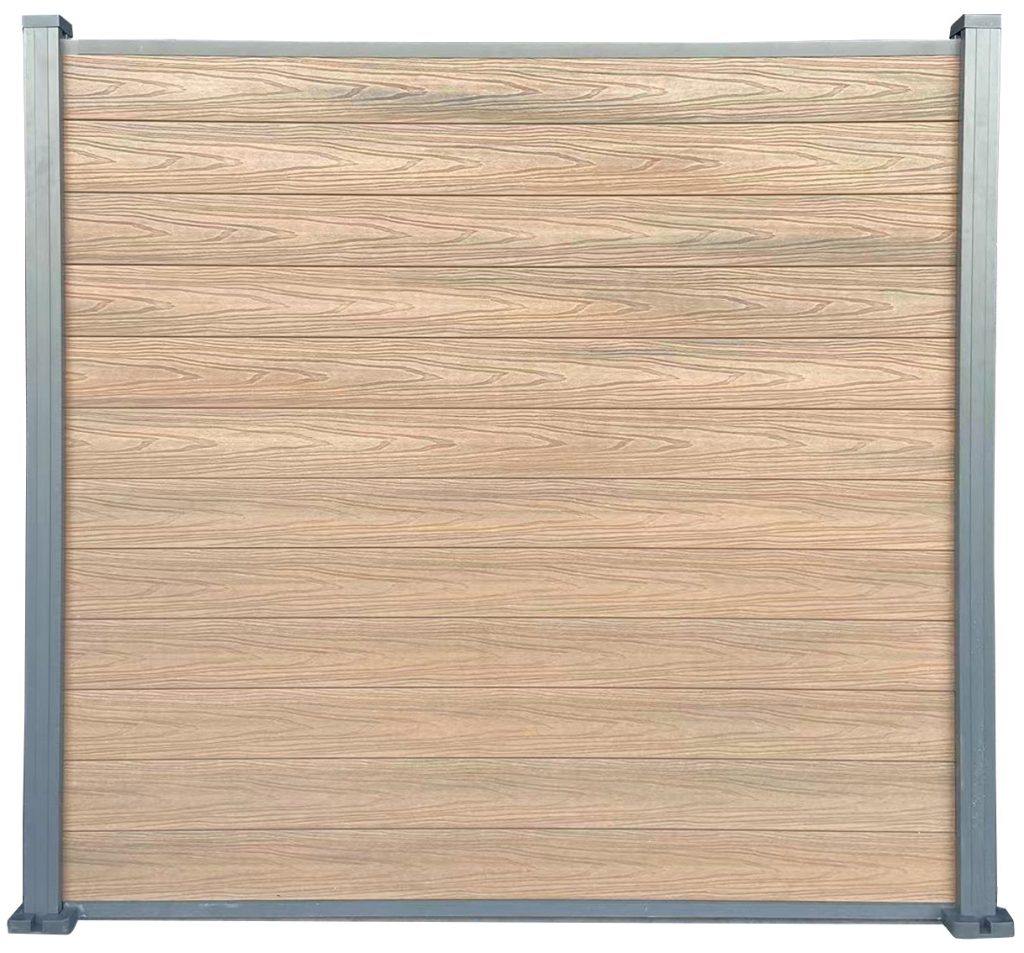
En Toowin, Nos especializamos en la fabricación de precisión de Sistemas de vallas de WPC de coextrusión de alto nivel. Nuestros productos están diseñados para el mercado profesional, donde la confiabilidad técnica y la sofisticación estética son innegociables.
El Serie de coextrusión Toowin Utiliza una fórmula de protección patentada que proporciona una resistencia líder en la industria a la radiación UV y a las manchas químicas. Al centrarse en la integración molecular de la protección y el núcleo, Toowin garantiza que cada perfil entregado a nuestros socios globales cumpla con los más altos estándares de estabilidad dimensional y durabilidad de la superficie. Tanto si es un distribuidor que busca ampliar su línea de productos premium como si es un fabricante que busca un socio confiable en su cadena de suministro, Toowin le ofrece la excelencia en ingeniería necesaria para dominar el mercado de la decoración de exteriores.


Preguntas frecuentes: Información técnica para gerentes de adquisiciones
1. ¿Cómo gestiona Toowin el riesgo de delaminación entre el blindaje y el núcleo?
La delaminación es físicamente imposible en nuestro proceso gracias a que utilizamos un método de "coextrusión real". El blindaje y el núcleo se extruyen simultáneamente mediante una sola matriz mientras los materiales aún están fundidos. Esto crea una unidad fusionada y única en lugar de una capa adherida, lo que garantiza que el blindaje nunca se descascare ni se separe, independientemente de las condiciones ambientales.
2. ¿Qué hace que la coextrusión Toowin sea superior en entornos con alta exposición a rayos UV como Australia o Oriente Medio?
Nuestra capa protectora está enriquecida con estabilizadores UV y antioxidantes de alta concentración integrados en la matriz polimérica. Mientras que los compuestos estándar se basan en tratamientos superficiales, la protección de Toowin se integra en profundidad. Esto permite que el material resista la radiación solar de alta intensidad sin quebrarse ni perder su saturación de color.
3. ¿Se pueden personalizar los perfiles Toowin para requisitos específicos de carga de viento estructural?
Sí. Para proyectos comerciales a gran escala, podemos ajustar la geometría interna de los perfiles y recomendar insertos de refuerzo de aluminio específicos. Al modificar el espesor de pared y las nervaduras internas de los paneles coextruidos, ofrecemos soluciones que satisfacen los requisitos de ingeniería específicos para instalaciones costeras o de gran altitud.