



Table of Contents
Transforming your outdoor living space with a brand-new deck is an exciting investment. Among the myriad of materials available today, co-extrusion WPC (Wood Plastic Composite) decking stands out as the gold standard. Featuring a durable protective “cap” layer over a composite core, these second-generation boards offer unparalleled resistance to fading, staining, scratching, and moisture. However, even the most technologically advanced materials can fail prematurely if they are not installed correctly.
A flawless co-extrusion decking installation is the critical bridge between a high-quality product and a deck that actually lasts for decades. Unprofessional installation not only voids manufacturer warranties but also leads to structural failures, safety hazards, and a drastic increase in required WPC deck maintenance.
In this comprehensive guide, we will explore the five most common installation mistakes that contractors and DIYers make when working with capped composite decking, the science behind why these errors cause damage, and the best practices you must follow to protect your investment.
Understanding the Anatomy of Co-extrusion WPC Decking
Before diving into the mistakes, it is crucial to understand how co-extrusion decking behaves. Unlike natural wood, which primarily expands and contracts with changes in humidity, WPC decking expands and contracts primarily with changes in temperature (thermal expansion).
The core is made of a blend of wood fibers and recycled plastics (often Polyethylene or PE). The outer shield—the co-extruded layer—is a modified polymer that protects the core from the elements. Because of this high plastic content, the boards require specific installation techniques, particularly concerning spacing, fastening, and ventilation. Ignorance of these material properties is the root cause of the following five catastrophic mistakes.
Mistake 1: Inadequate Gap and Spacing for Thermal Expansion
The single most common and destructive error in co-extrusion decking installation is failing to leave adequate gaps between the boards.
The Problem:
When the sun beats down on your deck, the temperature of the boards can exceed the ambient air temperature significantly. As the composite material heats up, it expands in both length and width. If boards are butted tightly against each other or against a fixed structure (like a house wall or a structural post) during installation on a cool day, they will have nowhere to go when they expand during the summer heat.
The Consequences:
- Buckling and Warping: The immense pressure of boards expanding into each other will cause them to warp upwards, creating a tripping hazard and permanently deforming the boards.
- Sheared Fasteners: The force of thermal expansion can actually shear the screws right off the joists or break the deck clips.
- Cap Delamination: Extreme pressure at the ends of the boards can compromise the protective co-extruded layer, allowing moisture to penetrate the core.
The Solution:
Always calculate the required expansion gap based on the ambient temperature at the time of installation and the maximum expected temperature in your region.
- Side-to-Side Gaping: Typically, a gap of 5mm to 7mm is required between boards to allow for lateral expansion and water drainage.
- End-to-End Gaping (Butt Joints): Leave a gap of 3mm to 6mm where the ends of two boards meet. In extremely cold installation climates, this gap may need to be larger.
- Abutting Solid Structures: Always leave a minimum of 10mm to 15mm gap between the decking boards and any fixed walls or pillars.
Mistake 2: Improper Use of Composite Decking Clips and Fasteners
The fastening system is the anchor of your entire deck. Using the wrong fasteners or installing the right ones incorrectly will inevitably lead to a shortened lifespan.
The Problem:
Many inexperienced installers try to use standard wood screws or cheap, third-party clips that are not designed for the specific profile of the co-extruded boards. Others may over-tighten the clips or fail to secure them perpendicularly to the joists.
The Consequences:
- Restricted Movement: High-quality composite decking clips are engineered not just to hold the board down, but to allow it to glide slightly back and forth as it expands and contracts. Screwing directly through the board (face-screwing) without pre-drilling oversized holes locks the board in place, leading to cracking around the screw holes when the temperature changes.
- Corrosion: Using non-galvanized or non-stainless steel clips will result in rust. The rust will eventually cause the clips to snap, leading to loose, rattling boards.
- Mushrooming: If face screws are used incorrectly on capped composites, it creates an ugly “mushroom” effect where the plastic core pushes up around the screw head, breaking the waterproof seal of the co-extrusion layer.
The Solution:
Always use the manufacturer-recommended composite decking clips and hidden fastener systems. These clips are specifically molded to fit the grooved edges of the boards perfectly. Ensure you are using high-grade stainless steel (304 or 316 grade) or high-quality polymer clips. When driving the screw through the clip into the joist, do not over-torque your drill; drive the screw in straight and flush so the next board can slide onto the clip effortlessly.
Mistake 3: Poor Substructure and Joist Preparation
A deck is only as strong as the frame that supports it. Co-extrusion wpc decking is incredibly durable, but it is not structural. It will conform to whatever frame it is laid upon.
The Problem:
Building a deck on a sub-frame where the joists are spaced too far apart, or where the joists are unlevel, is a recipe for disaster. Some installers use the traditional 16-inch (400mm) joist spacing used for thick timber, which may not be suitable for all composite profiles, especially if the boards are laid diagonally.
The Consequences:
- Sagging and Bounciness: If the joist span is too wide, the decking boards will sag in the middle under foot traffic or heavy furniture. This constant flexing stresses the co-extruded shell and can lead to micro-cracks over time.
- Uneven Surface: Unlevel joists will create a wavy deck surface. Not only is this visually unappealing, but it also creates low spots where water can pool, increasing the demands of your routine WPC deck maintenance.
- Butt Joint Failures: If two board ends meet over a single standard joist, there isn’t enough surface area for the clips to secure both ends properly.
The Solution:
- Strict Joist Spacing: Adhere strictly to the manufacturer’s span guidelines. Generally, a center-to-center joist spacing of 350mm to 400mm is recommended for standard residential applications. If laying boards at a 45-degree angle, reduce the joist spacing to 250mm to 300mm.
- Double Joisting: Always use a double joist (sistering two joists together) at butt joints. This ensures that each board end has its own dedicated joist and its own dedicated composite decking clips, preventing the ends from splitting or lifting.
- Leveling: Spend extra time planning, measuring, and leveling your substructure. Use joist tape over timber joists to protect them from rot, ensuring the frame lasts as long as your premium composite boards.
Mistake 4: Neglecting Drainage and Ventilation Under the Deck
While co-extrusion WPC decking is highly water-resistant and impervious to rot, the environment it sits in still matters immensely.
The Problem:
Installing the deck too close to the ground, sealing off the fascia without leaving vents, or failing to grade the soil beneath the deck to direct water away.
The Consequences:
- Moisture Trapping: If the substructure cannot breathe, moisture from the ground will constantly evaporate and hit the underside of the deck boards. While the top co-extruded layer is protected, extreme and constant moisture differentials between the top and bottom of the board can cause cupping.
- Mold and Mildew: Persistent dampness and stagnant air create the perfect breeding ground for mold and mildew on the surface and within the gaps, turning your low-maintenance deck into a high-maintenance nightmare.
- Substructure Rot: Even if your composite boards survive, a poorly ventilated undercarriage will cause a treated timber frame to rot out years before its time.
The Solution:
Proper co-extrusion decking installation dictates a minimum ground clearance of at least 50mm to 100mm (2 to 4 inches), though more is always better. Ensure the ground underneath is sloped away from the property to prevent water from pooling. If installing skirting or fascia boards around the perimeter, leave ventilation gaps or install decorative vents to ensure cross-breeze airflow beneath the deck.
Mistake 5: Mishandling Board Ends and Edges
The ends of the boards, where the core is exposed, are the most vulnerable parts of a co-extrusion decking system.
The Problem:
Cutting the boards with dull blades, leaving the cut ends exposed to high traffic without protection, or failing to support the overhanging edges properly.
The Consequences:
- Chipping and Fraying: Using a dull saw blade or the wrong type of blade can chip the delicate co-extruded cap layer at the cut ends, leaving an unsightly finish and an entry point for moisture.
- Edge Damage: If the deck boards overhang the outer joist by more than 1 to 2 inches, heavy pressure (like stepping on the edge) can snap the board.
- Moisture Ingress: While the core is highly resistant to water, leaving raw cut ends completely exposed in extremely wet environments without fascia protection can lead to slight swelling over many years.
The Solution:
Use a sharp, fine-toothed carbide-tipped saw blade (at least 60 teeth) for clean, crisp cuts. Never allow the decking boards to overhang the final joist by more than 25mm (1 inch). To protect and conceal the cut ends, utilize matching WPC fascia boards, edge trims, or specialized end caps provided by the manufacturer. This not only seals the deck but provides a polished, professional, and architecturally complete look.
Pro-Tips for Effortless WPC Deck Maintenance
If you avoid these five installation mistakes, your deck will serve you faithfully for decades. One of the greatest advantages of co-extruded products is that WPC deck maintenance is incredibly minimal compared to traditional timber. To keep your deck looking brand new, follow these simple guidelines:
- Routine Cleaning: Sweep the deck regularly to remove dirt and leaves. Wash the deck semi-annually with warm, soapy water and a soft-bristle brush to remove surface grime.
- Avoid Harsh Chemicals: Never use bleach, harsh acidic cleaners, or solvent-based chemicals on your co-extruded deck, as these can strip or degrade the protective polymer cap.
- Mind the Gaps: Keep the gaps between the boards free of debris, pine needles, and dirt to ensure proper water drainage and airflow. A putty knife or a blast from a hose can easily clear these spaces.
- Careful Pressure Washing: If you choose to use a pressure washer, use a fan tip, keep the pressure under 1500 PSI, and maintain a distance of at least 12 inches from the surface to avoid etching the protective shield.
By combining meticulous co-extrusion decking installation with basic, gentle WPC deck maintenance, you are guaranteeing a beautiful, safe, and long-lasting outdoor sanctuary.
FAQs
1. Can I install co-extrusion WPC decking directly on top of an existing concrete patio?
No, it is not recommended to lay decking boards directly onto concrete. Moisture can get trapped between the concrete and the boards, and there will be no room for airflow or standard composite decking clips. You must build a sleeper system (a low-profile substructure made of treated wood or aluminum joists) over the concrete to provide at least 1.5 to 2 inches of clearance for ventilation and water drainage.
2. How tight should I fasten the composite decking clips during installation?
Composite decking clips should be screwed in securely so that the clip sits flush and firm against the joist and the lip of the decking groove. However, you should never over-torque the drill to the point where the clip deforms or digs into the board. The system relies on the clips holding the board flat while still allowing it to slide microscopically along its length during thermal expansion.
3. Does co-extrusion WPC decking require any sealing, staining, or painting over its lifespan?
Absolutely not. This is the primary benefit of co-extruded materials. The advanced protective polyethylene cap is permanently bonded to the core during the manufacturing process, providing complete protection against UV fading, staining, and moisture. Painting or sealing the boards will actually ruin the surface and void your warranty. Regular cleaning with soap and water is the only WPC deck maintenance required.
Upgrade Your Outdoor Space with Toowin™ Premium Decking
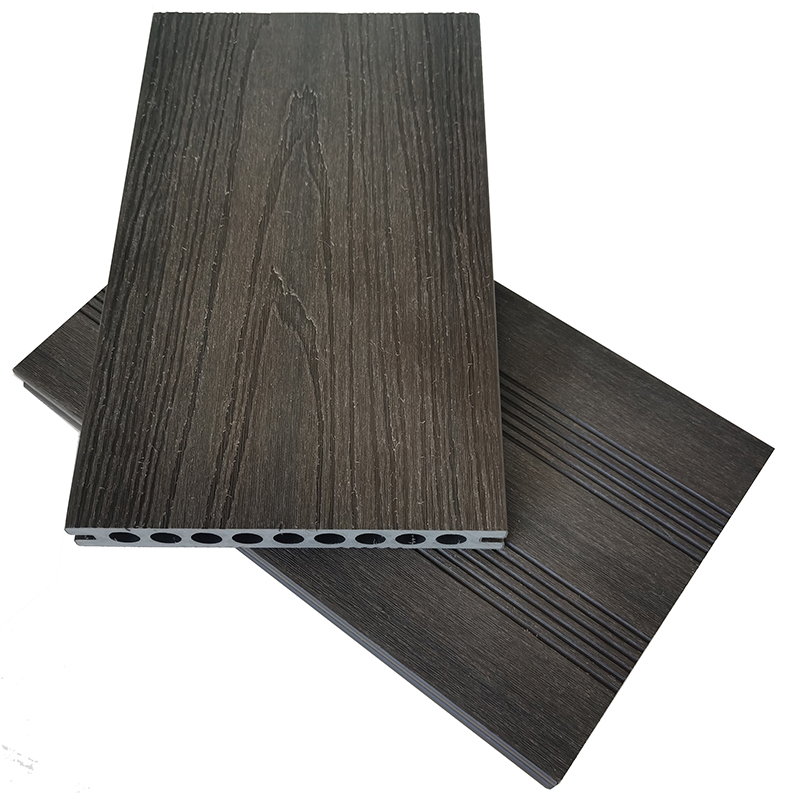
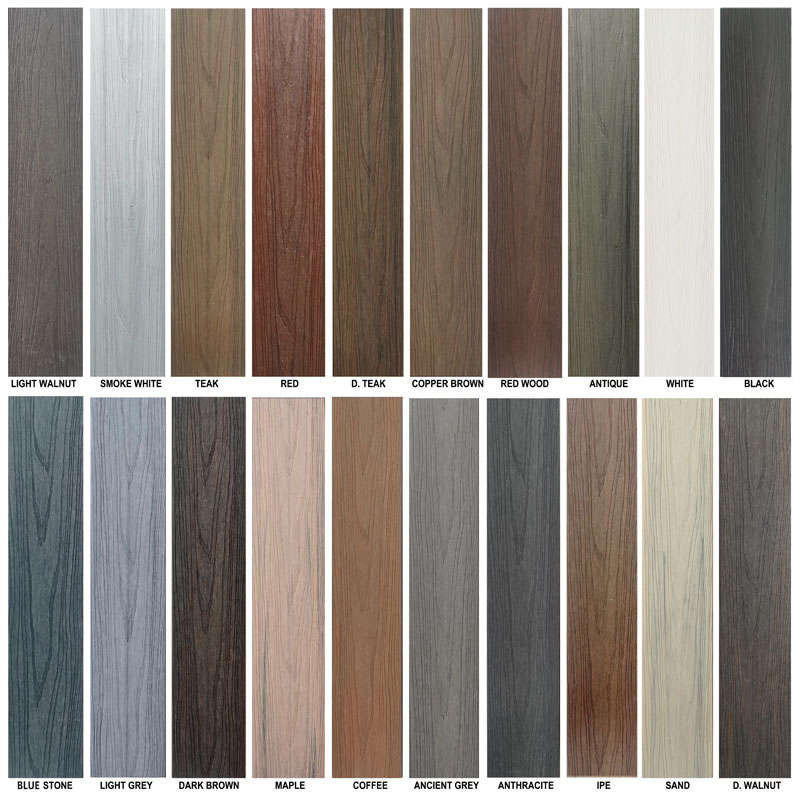
Looking for a reliable, professional-grade decking solution? Consider Toowin™ Premium Decking, a second-generation PE co-extruded composite decking. Unlike classic composites, it features an advanced modified polyethylene protective layer that delivers unparalleled performance, long-lasting aesthetics, and an impressive 25-30 years lifespan.
Available in custom width and thickness, with lengths ranging from 2m up to 5.8m, Toowin™ fits any scale of project—from residential garden terraces and swimming pools to high-traffic commercial spaces like hotels and shopping malls. The system utilizes hidden composite decking clips for a flawless, barefoot-friendly finish. Notably, the boards are reversible; we highly recommend the wood grain side for superior anti-slip performance.
100% recyclable and eco-friendly, it requires no painting or glue, ensuring ultra-low maintenance. It effortlessly resists water, termites, UV rays, and extreme weather (-45°C to 80°C). Bfl class fire-resistant options are also available upon request.
About the author
European Sales Director – Jamical
With 17 years of sales experience in WPC (Wood-Plastic Composite) products, who has supported over 100 clients in market development, including key client like LEROY MERLIN. And he has an in-depth and proficient understanding of composite products and markets across all European countries.