



Price Trends of Composite Decking: Market Dynamics and Product Segmentation (2024–2026)
The global market for Composite Decking (Wood Plastic Composite) and broader wood composite decking has undergone significant price evolution over the past few years, shaped by raw material costs, technological advancements, shifting consumer preferences, and macroeconomic factors. As we enter the mid-2020s, the pricing landscape continues to diverge sharply across product tiers—particularly between standard WPC, deep wood grain WPC Decking, and Premium co-extruded composite Decking—reflecting both market maturation and rising demand for high-performance outdoor flooring solutions.
Overall Market Trajectory: Moderation After Volatility
After a period of sharp inflation between 2020 and 2023 driven by supply chain disruptions, soaring plastic resin prices, and energy costs, the wood composite decking sector has entered a phase of relative price stabilization with modest, controlled increases.
From 2020 to 2021, entry-level WPC Decking typically retailed for $25–$35 per square meter. By 2023–2024, this range had climbed to $40–$50 per square meter for standard hollow-core products. For 2025 and 2026, industry analysts forecast annual price growth of 3–5%, a significant slowdown from the 8–12% annual hikes seen in the early 2020s. This deceleration stems from:
- Stabilized raw material costs: Polyethylene (PE) and polypropylene (PP) plastic prices, which constitute 40–50% of WPC material costs, have softened from peak levels as oil markets normalized.
- Improved supply chains: Container shipping costs and logistics bottlenecks, which inflated import prices for Asian-manufactured WPC, have eased considerably since 2022.
- Increased production capacity: Global WPC manufacturing capacity—led by China, Europe, and North America—has expanded, reducing supply shortages and fostering price competition.
Regional variations remain pronounced. In North America and Western Europe, installed wood composite decking costs $50–$100+ per square foot (including labor), while in Asian markets, material-only prices range $15–$30 per square meter for standard grades.
Price Segmentation by Product Category
The most dramatic pricing differences exist across the three core WPC product segments, driven by manufacturing complexity, material quality, and aesthetic performance.
1. Standard WPC Decking (Basic Wood Composite Decking)
Entry-level WPC Decking, composed of 50–60% wood fiber/wood flour and 40–50% virgin or recycled plastic, serves the budget-conscious residential and commercial markets.
- Price range (2026): $15–$40 per square meter (material-only)
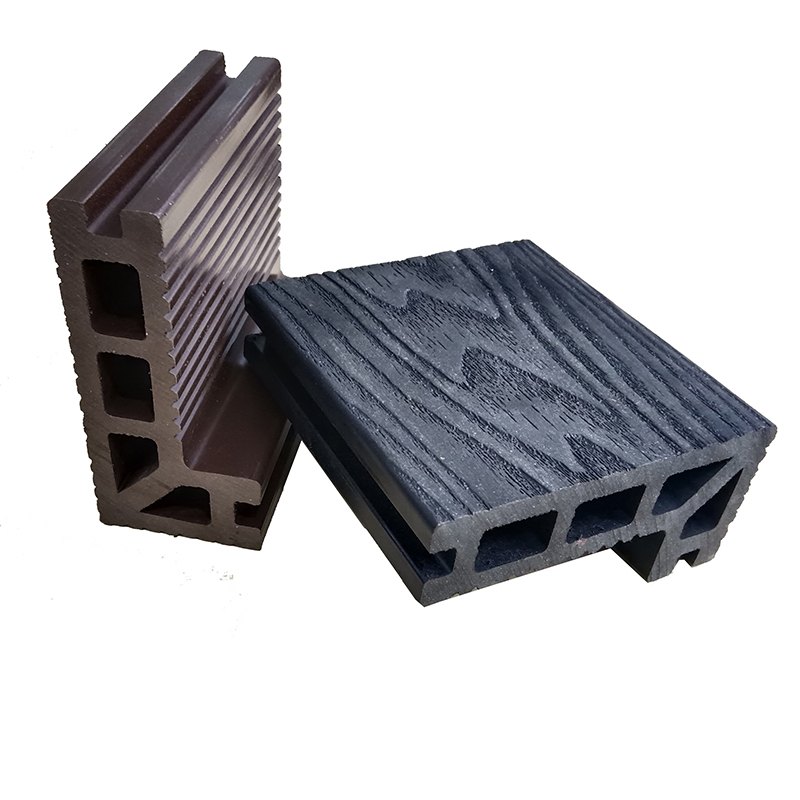
- Key characteristics: Basic embossed surface textures (shallow wood patterns), hollow-core construction for cost efficiency, limited color stability, and shorter warranties (5–10 years).
- Trend: Prices for standard WPC have risen the least since 2023, as manufacturers optimize production and compete on volume. This segment faces growing pressure from low-cost imports, keeping margins tight.
2. Deep Wood Grain WPC Decking
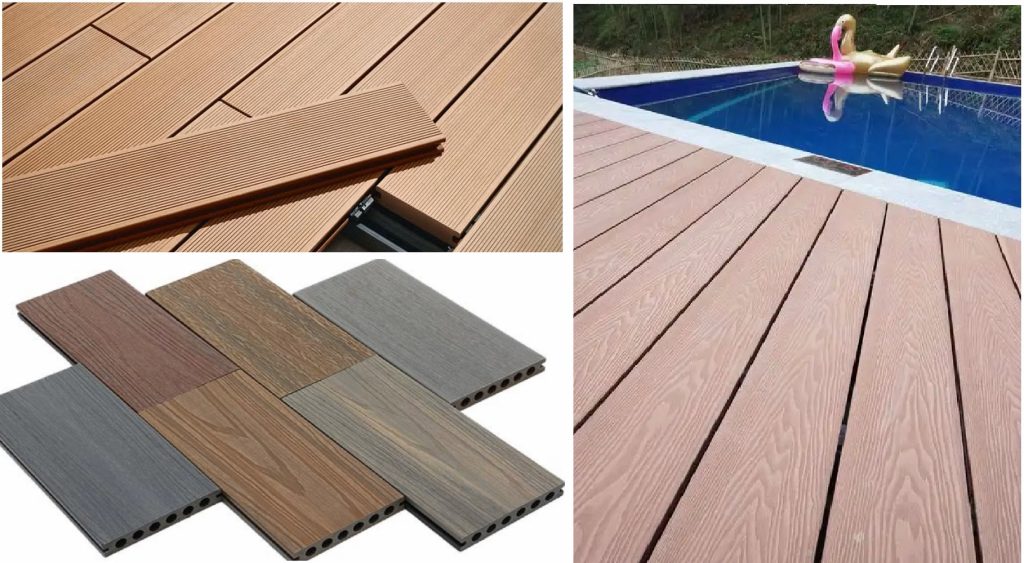
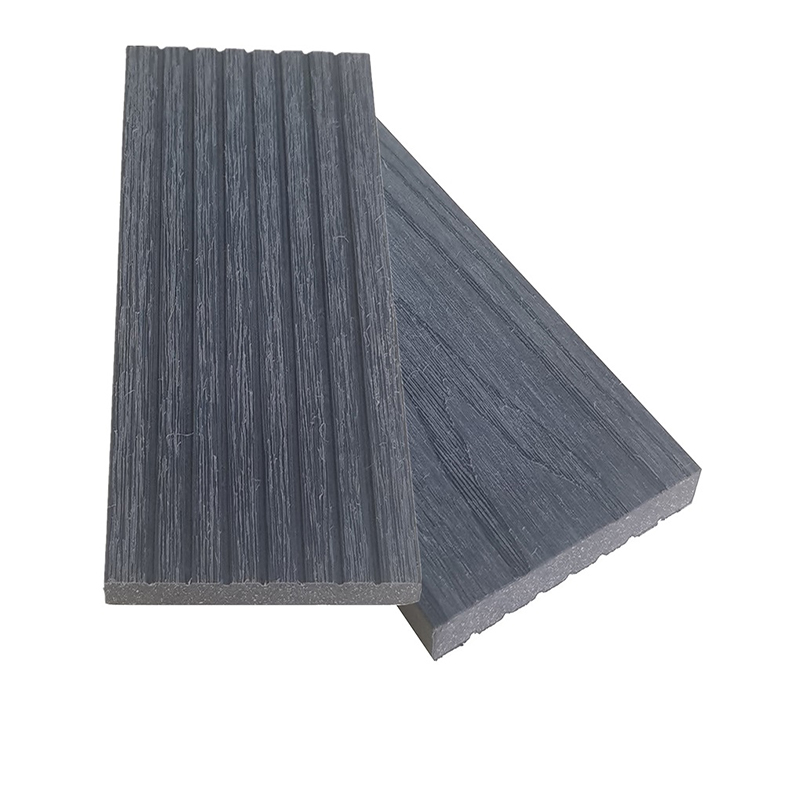
Deep wood grain WPC Decking represents the mid-to-high-end segment, distinguished by advanced 3D embossing technology that replicates the authentic texture, depth, and natural variation of real wood—far beyond the shallow patterns of standard WPC.
- Price range (2026): $35–$65 per square meter (material-only)
- Premium factors:
- High-density solid or reinforced hollow cores for enhanced structural strength.
- Multi-layer embossing processes that create realistic wood grain, knots, and texture variation.
- Improved UV stabilizers and color pigments for better fade resistance (15–20 year warranties).
- Trend: This segment has seen 5–7% annual price growth since 2024, outpacing standard WPC, as homeowners and designers prioritize aesthetic realism without sacrificing WPC’s low-maintenance benefits. Demand for deep wood grain variants has grown twice as fast as basic WPC in North America and Europe.
3. Premium Co-Extruded Composite Decking
Premium co-extruded composite Decking (also called capped composite) represents the pinnacle of WPC technology, featuring a dense, protective polymer cap bonded to a wood-plastic core.
- Price range (2026): $60–$120+ per square meter (material-only)
- Defining features:
- A thin (0.1–0.3mm) protective ASA (Acrylonitrile Styrene Acrylate) or HDPE cap that delivers exceptional resistance to fading, staining, scratching, and mold.
- Most integrate deep wood grain embossing on the cap layer, combining unrivaled durability with premium aesthetics.
- Extended warranties (25–50 years) against fading, staining, and structural defects.
- Trend: Despite commanding the highest prices, premium co-extruded decking has maintained strong pricing power, with 6–8% annual increases through 2025–2026. Leading brands like Trex reported 15% price hikes for their top-tier co-extruded lines in 2025, as demand for long-lasting, maintenance-free outdoor surfaces surges. This segment now accounts for over 40% of total composite decking sales in mature markets.
Key Drivers Shaping Future Prices (2026–2028)
Looking ahead, three primary forces will define WPC decking pricing:
1. Raw Material Sustainability
- Recycled content mandates: Growing regulatory pressure and consumer demand for eco-friendly products are pushing manufacturers to increase recycled plastic and wood fiber content. While recycled materials can reduce costs long-term, initial investments in sorting and processing may temporarily lift prices for sustainable lines.
- Biopolymer integration: Emerging WPC formulations using plant-based bioplastics (rather than petroleum-based plastics) remain premium-priced but are expected to become cost-competitive by 2028 as production scales.
2. Technological Innovation
- Cost reduction in co-extrusion: New single-step co-extrusion manufacturing processes are lowering production costs for premium capped decking, which may narrow the price gap between standard and premium products by 10–15% by 2027.
- Efficiency gains: Automation and AI-driven quality control in Chinese and European factories are boosting yields and reducing waste, helping offset inflationary pressures.
3. Market Demand and Competition
- Luxury segment growth: As outdoor living spaces remain a top home improvement priority, demand for deep wood grain WPC Decking and Premium co-extruded composite Decking will continue outpacing standard WPC, supporting their premium pricing.
- Regional competition: Chinese manufacturers are expanding their mid-to-high-end WPC exports, including co-extruded and deep wood grain products, putting downward price pressure on Western premium brands.
Conclusion
The WPC decking market is evolving from a single-price commodity to a highly segmented industry, with standard WPC Decking, deep wood grain WPC Decking, and Premium co-extruded composite Decking each following distinct price trajectories. After years of volatility, overall prices are stabilizing with modest growth, while the premium segments—driven by aesthetics, durability, and low maintenance—continue to command strong pricing power.
For buyers, the trend underscores a classic “you get what you pay for“ dynamic: budget WPC offers basic functionality, while mid-range deep wood grain variants balance realism and value, and premium co-extruded decking delivers unparalleled performance and longevity—justifying its higher upfront cost through decades of low-maintenance use. As the market matures, expect further convergence between aesthetic quality and cost efficiency, particularly as co-extrusion and deep embossing technologies become more accessible across the supply chain.
Request A Quote
Fill out the form below and well go to your house
-
What is the delivery time?
Normally 15 days after getting deposit for one container.
-
Where is the shipping port?
We use Wuhu, Nanjing, Shanghai Port.
-
What is the payment term?
30% deposit and 70% before or after getting the copy of BL by email.
-
What is the MOQ?
Nomally, 100 sqm, if too less, the delivery and production cost is very high.
-
What is about the warrenty?
5-20 years, please check our formal document or ask the sales manager in details.
-
What is about samples?
Normally all samples are free, but before order, please possible to send samples delivery cost, when you order we can return, because every day we send too many samples, so it is also big cost.