



Table of Contents
The allure of a beautiful outdoor living space is undeniable. Whether it’s for hosting summer barbecues, enjoying a quiet morning coffee, or creating a safe play area for children, a deck is a valuable addition to any home. However, the traditional dream of a wooden deck often comes with the nightmare of ongoing, labor-intensive upkeep. This is where Wood-Plastic Composite (WPC) decking has revolutionized the industry. If you find yourself searching for no painting decking, or simply want to understand the true value of modern decking materials, understanding the science and structure behind WPC is crucial.
This comprehensive guide explores precisely what makes WPC composite decking the premier choice for homeowners seeking a stunning, long-lasting, and genuinely low-maintenance outdoor sanctuary.
Understanding WPC: The Anatomy of Low Maintenance
To grasp why WPC decking requires so little effort to maintain, we must first understand what it is. WPC stands for Wood-Plastic Composite. It is not merely a piece of plastic shaped like a board, nor is it treated lumber. It is an engineered product designed to harness the best qualities of both wood and synthetic materials while eliminating their respective weaknesses.
The Core Ingredients
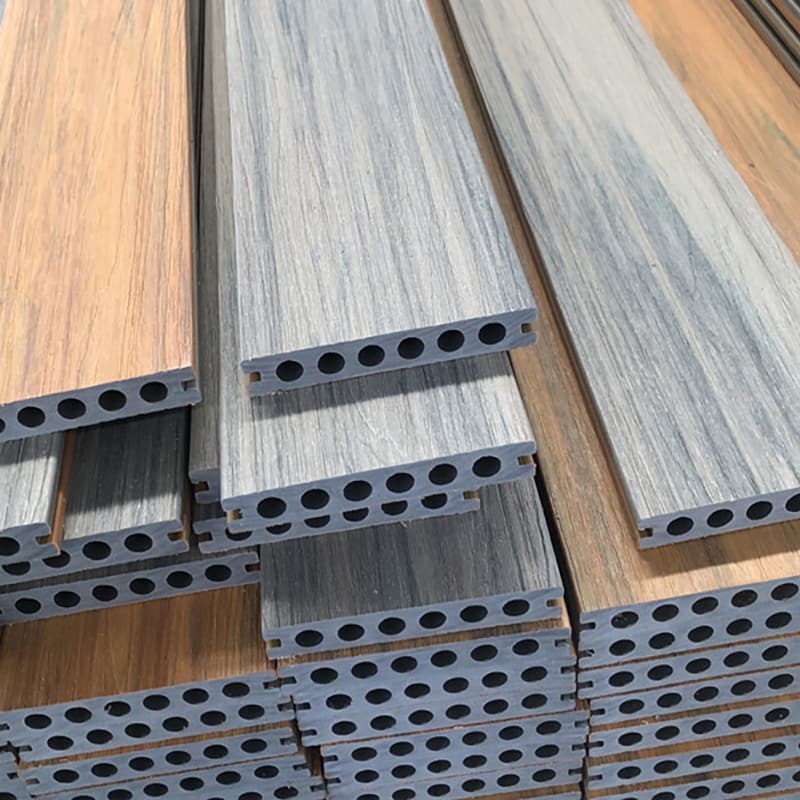
The magic of WPC lies in its composition. A typical high-quality WPC deck board consists of:
- Recycled Wood Fibers (approx. 50-60%): These fibers, often sourced from sawdust, wood chips, and other reclaimed wood products, give the board its natural appearance, strength, and stiffness. This also makes WPC an incredibly eco-friendly choice, diverting tons of waste from landfills.
- Recycled Plastics (approx. 30-40%): High-Density Polyethylene (HDPE) or Polyvinyl Chloride (PVC) are commonly used. These plastics provide the crucial barrier against moisture, rot, and insect damage. They are the primary reason WPC achieves its low-maintenance status.
- Bonding Agents and Additives (approx. 5-10%): This crucial mix includes color pigments for a consistent aesthetic, UV inhibitors to prevent fading from sun exposure, and binding agents that fuse the wood and plastic together into a dense, solid core.
The Capping Technology (Co-extrusion)
While early generation composites were a massive improvement over traditional wood, modern WPC decking takes low maintenance a step further through a process called co-extrusion.
This process involves manufacturing the board with a highly durable, protective outer shell—or “cap”—that completely encases the composite core.
- The Shield: This cap is typically made of pure, advanced polymers. It acts as an impenetrable shield against the elements.
- Total Protection: The capping process ensures the board is highly resistant to stains (even from notoriously difficult substances like red wine or grease), fading, mold, and mildew.
It is this combination of a dense composite core and an advanced polymer cap that creates a product demanding significantly less of your time and money over its lifespan compared to natural timber.
The “No” List: What You Won’t Be Doing with WPC Decking
The best way to understand the low-maintenance nature of WPC is to look at the typical chores associated with traditional wood decks—chores that are completely eliminated with composite materials.
1. No Painting Decking
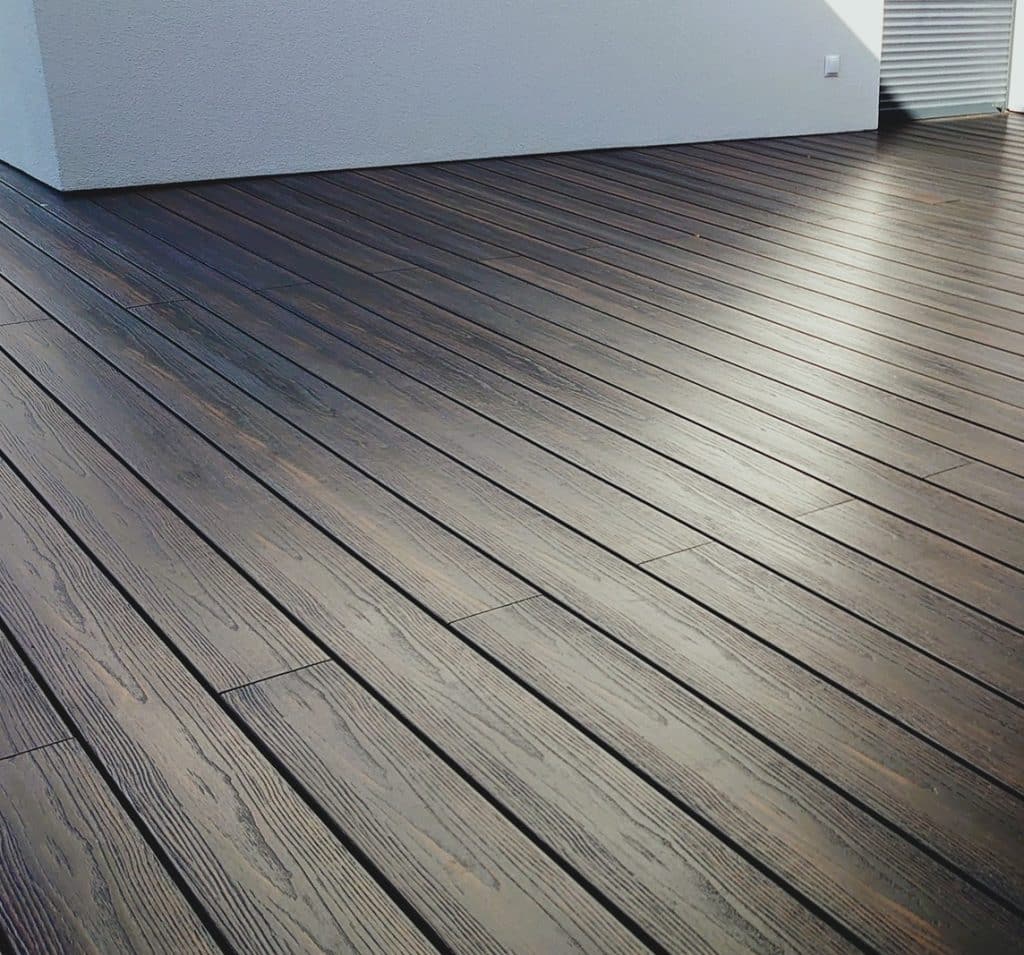
Perhaps the most universally loathed deck maintenance task is painting. Traditional wood requires a new coat of paint or solid stain every few years to maintain its appearance and protect it from the elements. This involves tedious scraping, sanding, priming, and finally, painting.
With WPC, the color is integrated throughout the board (in uncapped versions) or built directly into the highly engineered protective shell (in capped versions). The color you choose on day one is, with very slight weathering in the first few months, the color you will enjoy for decades. The pigment technology and UV inhibitors mixed into the plastic mean that WPC is, by definition, no painting decking. You are freed from the cycle of scraping and repainting forever.
2. No Sealing or Staining
If you prefer the look of natural wood grain rather than a solid painted color, traditional timber still demands rigorous upkeep. To prevent moisture penetration, rot, and UV damage, wood must be stripped and resealed or stained every 1 to 3 years. This is a messy, time-consuming process that often requires harsh chemicals.
WPC decking entirely eliminates the need for no sealing. The plastic component of the composite mixture, combined with the advanced polymer cap, renders the boards virtually impervious to water. There are no pores for moisture to seep into, meaning there is nothing to seal. The protective barrier is built-in at the factory, saving you days of labor and the recurring cost of expensive sealants and applicators.
3. No Splinters, Warping, or Rot
Traditional wood is a natural, porous material that constantly reacts to its environment. As it absorbs moisture, it swells; as it dries, it shrinks. This continuous cycle leads to warping, twisting, cracking, and the development of dangerous splinters. Furthermore, if moisture penetrates deeply enough, the wood will eventually succumb to fungal decay and rot.
WPC decking is fundamentally different:
- Moisture Resistance: The dense combination of plastics and wood fibers minimizes water absorption significantly. The co-extruded cap reduces it to near zero.
- Structural Stability: Because it does not drastically expand and contract with moisture changes, WPC boards remain straight and true. You will not find boards twisting out of place or nails popping up.
- Safety First: Because the boards do not crack or degrade like natural wood, WPC provides a consistently smooth, splinter-free surface. This makes it exceptionally safe for bare feet, children, and pets.
4. No Insect Damage
Termites, carpenter ants, and wood-boring beetles can decimate a traditional wood deck, leading to costly structural repairs or complete replacement. These pests are attracted to the cellulose in natural wood.
WPC decking is highly unappealing to insects. The plastic components encapsulate the wood fibers, making them inaccessible and indigestible to pests. Choosing WPC provides peace of mind, knowing your deck’s structural integrity won’t be compromised by an unseen infestation.
The “Yes” List: What Maintenance Actually Looks Like
We have established what you won’t be doing. So, what does maintaining a WPC deck actually entail? The reality is that “low maintenance” does not mean “zero maintenance,” but the tasks required are incredibly simple and infrequent.
The Reality of “Easy Clean Decking”
The core of WPC maintenance is simply keeping it clean. Because the surface is non-porous and highly resistant to stains and organic growth, it is genuinely easy clean wpc decking.
Here is what your maintenance routine will look like:
1. Regular Sweeping
Just like your indoor floors, your deck will accumulate dust, leaves, dirt, and debris. Regular sweeping with a soft-bristled broom is usually all that is needed to keep the surface looking tidy and prevent the buildup of organic matter that could eventually lead to superficial mold (mold that grows on the dirt, not in the deck board).
2. Semi-Annual Washing
Twice a year—typically in the spring to prepare for summer use, and in the fall to clear away leaves and debris—a basic wash is recommended.
- The Tools: You only need warm water, a mild dish soap (or a specially formulated, gentle composite deck cleaner), and a soft-bristled brush.
- The Process: Simply hose down the deck, apply the soapy water, scrub lightly with the grain of the boards to loosen any stubborn dirt, and rinse thoroughly.
- Pressure Washing: While you can use a pressure washer on WPC decking, it must be used with caution. You should use a wide fan tip (40 degrees or wider), keep the pressure under 1500 PSI, and hold the wand at least 8-10 inches away from the surface. Always spray in the direction of the wood grain. However, for most cleaning, a simple hose and brush are more than sufficient and carry zero risk of damaging the boards.
3. Prompt Spill Cleanup
While capped WPC decking is highly stain-resistant, it is always best practice to clean up spills promptly. Whether it’s a dropped hot dog, spilled wine, or greasy sunscreen, wiping it up relatively quickly with warm, soapy water ensures the deck remains pristine. The non-porous nature of the cap prevents the spill from soaking in, making cleanup a breeze compared to the scrubbing required on stained wood.
4. Managing Ice and Snow
If you live in a colder climate, you will need to clear snow and ice.
- Snow Removal: Use a plastic shovel rather than a metal one to avoid scratching the deck’s surface. Always shovel parallel to the boards, not across them.
- Ice Melt: Calcium chloride or rock salt can generally be used to melt ice on WPC decking. However, these products can leave a white residue. Once the weather warms, simply rinse the residue away with water and a mild cleaner. Avoid using sand, as it can be ground into the surface and cause minor scratching over time.
Comparing the True Cost of Ownership: WPC vs. Wood
When homeowners initially compare decking materials, the upfront cost of WPC is often higher than traditional treated pine or cedar. However, focusing solely on the initial purchase price is a mistake. The true value of WPC becomes apparent when calculating the long-term cost of ownership.
Let’s look at a comparison over a standard 10-year period.
The Financial Investment
| Maintenance Task | Traditional Wood Deck (10 Years) | WPC Composite Deck (10 Years) |
|---|---|---|
| Initial Material & Install Cost | Lower | Higher |
| Cleaning Supplies | Moderate (specialized cleaners) | Minimal (soap & water) |
| Stain/Sealant/Paint | High (required every 1-3 years) | $0 |
| Applicators (brushes, rollers) | Moderate (replaced frequently) | $0 |
| Labor (DIY or Hired) | Very High (days of work per application) | Minimal (hours per year) |
| Board Replacement (warping/rot) | Moderate to High probability | Very Low probability |
| Total 10-Year Cost | Significantly Higher | Lower |
As the table illustrates, the ongoing costs of chemical treatments, paints, specialized cleaners, and the inevitable replacement of warped or rotted boards quickly eclipse the initial savings of a wood deck. By year four or five, the total investment in a wood deck often surpasses that of a WPC composite deck.
The Investment of Time
Perhaps more valuable than the financial savings is the time saved.
- Wood Deck Maintenance: Stripping, sanding, and staining a moderately sized wood deck can easily consume an entire weekend, or multiple weekends if weather interferes. This is hard, physical labor that must be repeated every few years.
- WPC Deck Maintenance: Washing a WPC deck takes perhaps an hour or two, twice a year.
Choosing WPC means reclaiming those weekends. Instead of spending your summer working on your deck, you spend it relaxing on your deck.
Environmental Considerations: Sustainable Low Maintenance
Low maintenance isn’t just about saving your own time and effort; it also has positive environmental implications.
- Recycled Content: As mentioned, WPC is primarily composed of recycled plastics and reclaimed wood fibers. By choosing WPC, you are directly contributing to the reduction of plastic waste and utilizing wood byproducts that would otherwise be discarded.
- Reduced Chemical Usage: Because WPC requires no sealing or painting, you are eliminating the regular use of harsh chemical strippers, VOC-heavy stains, and toxic sealants. These chemicals often wash off into surrounding soil and waterways during rainstorms or the cleaning process. WPC offers a cleaner, safer environment for your backyard ecosystem.
- Longevity Reduces Waste: Traditional wood decks have a shorter lifespan, often requiring significant repair or complete replacement within 10-15 years. This generates substantial construction waste. WPC decks are designed to last 25-30 years or more, significantly reducing the volume of material ending up in landfills.
Conclusion
The appeal of WPC composite decking lies in its perfect balance of aesthetics and practicality. It delivers the warm, inviting look of natural wood without the exhausting, never-ending cycle of maintenance that wood demands.
By understanding the engineered structure of WPC—the blend of recycled fibers and plastics, and the protective co-extruded cap—it becomes clear why this material is fundamentally superior in terms of longevity and ease of care. The elimination of painting, staining, and sealing not only saves significant money over the lifespan of the deck but also reclaims countless hours of your valuable time.
When you invest in WPC, you are investing in a product that is genuinely easy clean decking, safe from splinters and rot, resistant to pests, and environmentally responsible. It is the definitive choice for homeowners who want to spend their time enjoying their outdoor living space, rather than constantly working to maintain it.
About the Author
Jason – Toowin Asia-Pacific Sales Director
With 15 years of sales experience in WPC (Wood-Plastic Composite) products, he has served key clients including Castorama and B&Q, with a thorough understanding of building supermarket procurement processes, and is proficient in production processes and installation guidance.
FAQs
1. Does WPC decking get hotter than traditional wood in the sun?
Yes, WPC decking, particularly the uncapped varieties or darker colors, can retain more heat than lighter-colored natural wood when exposed to direct, intense sunlight. However, newer generations of capped WPC often incorporate reflective pigments in the shell to mitigate heat absorption. If your deck receives full afternoon sun, choosing a lighter color profile (like light grays or tans) can significantly reduce how hot the surface feels underfoot.
2. Can WPC decking really be scratched, and what happens if it does?
While the polymer cap on modern WPC decking is highly durable and scratch-resistant, it is not entirely scratch-proof. Dragging heavy, sharp metal furniture across the deck or moving heavy planters without protection can cause superficial scratches. The good news is that minor scratches on capped composite often blend in over time due to natural weathering. For deeper gouges, some manufacturers offer touch-up pens or specialized heat techniques, though severe damage might require replacing the individual board. Always use furniture pads to minimize risk.
3. If WPC is mostly plastic and wood, is it prone to mold and mildew?
WPC decking is highly resistant to mold and mildew penetrating the board, thanks to the plastic encapsulation and the protective cap. The boards themselves will not rot. However, mold and mildew can grow on the surface of the deck if dirt, pollen, or damp leaves are allowed to accumulate and sit for extended periods. This is why regular sweeping and semi-annual washing with warm, soapy water are essential to maintain the clean surface and prevent organic buildup. The mold grows on the debris, not the decking itself.