



Table of Contents
When it comes to outdoor living spaces, the dream is often a beautiful, sprawling deck where you can host barbecues, relax with a book, or watch the sunset. However, the reality of traditional wood decking can be quite different. It requires regular sanding, staining, sealing, and a constant battle against rot, splinters, and insect damage. This ongoing upkeep can quickly turn a dream outdoor space into a demanding chore. Enter WPC (Wood-Plastic Composite) decking—a modern marvel in outdoor construction materials that has revolutionized how we think about deck maintenance. If you are seeking low maintenance decking, WPC is undoubtedly a leading contender. But what exactly makes it so easy to care for? This article delves into the science and design behind WPC decking, explaining why it allows you to spend more time enjoying your deck and less time maintaining it.
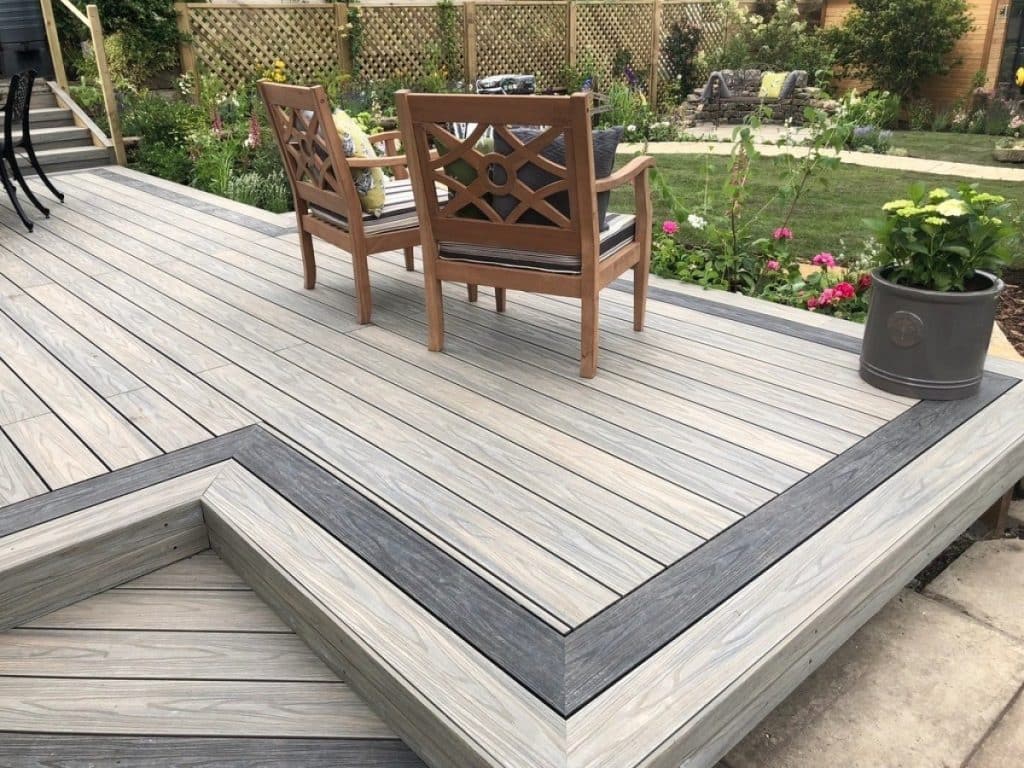
Understanding WPC: The Anatomy of Durability
To comprehend why WPC decking is so low maintenance, one must first understand its composition. WPC stands for Wood-Plastic Composite. It is a hybrid material created by combining wood fibers (often recycled sawdust or wood chips) with thermoplastic polymers (like polyethylene, polypropylene, or PVC). These materials are mixed with various additives, including UV stabilizers, colorants, and bonding agents, and then extruded into the familiar shape of decking boards.
This unique blend leverages the best qualities of both materials. The wood fibers provide strength, rigidity, and a natural aesthetic, while the plastic polymers encapsulate the wood, offering unparalleled protection against moisture and the elements.
The Protective Shield: Capped vs. Uncapped WPC
While all WPC decking offers significant advantages over traditional wood, modern manufacturing has introduced a crucial innovation: capping.
Uncapped WPC: Early generations of WPC were uncapped. While still highly durable, the exposed wood fibers on the surface could occasionally be susceptible to staining or slight color fading over extended periods.
Capped WPC: Most high-quality WPC decking available today is “capped.” This means the composite core is co-extruded with a tough, impermeable outer shell—usually made entirely of pure polymer. This protective cap covers the board on one to four sides. The cap acts as an impenetrable shield against moisture, stains, fading, and scratches. It is this capping technology that primarily elevates WPC to the status of ultimate low maintenance decking.
| Feature | Traditional Wood Decking | Uncapped WPC Decking | Capped WPC Decking |
|---|---|---|---|
| Moisture Resistance | Low (Requires regular sealing) | High | Excellent (Impermeable surface) |
| Stain Resistance | Low (Absorbs spills easily) | Moderate | High (Wipes clean) |
| Fade Resistance | Low (Grays rapidly without UV sealant) | Moderate (May fade slightly over time) | High (UV stabilizers in the cap) |
| Maintenance Level | High (Sanding, staining, sealing) | Low (Occasional cleaning) | Ultra-Low (Simple soap and water) |
The End of the Painting and Staining Era
One of the most labor-intensive aspects of maintaining a traditional wood deck is the perpetual cycle of painting, staining, and sealing. Wood naturally loses its color and structural integrity when exposed to sunlight and rain. To prevent it from turning a weathered gray and eventually rotting, homeowners must dedicate weekends every year or two to stripping the old finish and applying a new one.
This is where WPC truly shines. The color is integrated throughout the material during the manufacturing process, and in capped boards, the outer shell is engineered with powerful UV inhibitors. This means you have a wpc no painting decking solution. The color you choose is the color you keep, year after year. There is never a need to sand down rough spots, and you can permanently retire your staining brushes and sealants. The vibrant hues and varied tones, designed to mimic the natural beauty of various wood species, remain remarkably stable, resisting the fading effects of harsh sunlight.
A Shield Against the Elements
Outdoor decks are subjected to the full force of Mother Nature. From blistering summer heat to freezing winter ice, and torrential spring downpours, the materials must be robust. Wood, being porous, absorbs water. This leads to swelling, warping, and eventually, rot and fungal decay.
WPC decking is fundamentally different. The plastic component encapsulates the wood fibers, creating a material that is highly resistant to moisture absorption. This makes it an exceptional choice for environments with high humidity, frequent rain, or even for decks built adjacent to pools or hot tubs. Because it doesn’t absorb water like traditional wood, it is inherently resistant to the warping and splitting that plagues organic materials.
Furthermore, the robust nature of the polymer blend makes it a highly weather resistant wpc decking option. It can withstand significant temperature fluctuations without compromising its structural integrity. Unlike wood, which can become brittle in the cold and soft in extreme heat, WPC maintains its dimensional stability across diverse climates. It is also impervious to common wood-destroying insects like termites and carpenter ants, eliminating another significant concern associated with traditional timber decks.
Effortless Cleaning for Everyday Life
Life happens on a deck. Barbecue sauce gets dropped, wine is spilled, and muddy footprints are tracked across the surface. On a wood deck, a spilled glass of red wine can necessitate immediate panic and scrubbing to prevent a permanent stain from setting into the porous grain.
WPC decking, particularly the capped variety, is designed to be wpc easy clean decking. The non-porous polymer surface acts as a barrier, preventing liquids from penetrating the board. Most spills, whether it’s grease from the grill or a dropped beverage, can simply be wiped away with a damp cloth or washed off with a hose.
For routine cleaning to remove dust, pollen, and everyday dirt, a simple solution of mild soap and warm water is all that is required. A quick scrub with a soft-bristle brush followed by a thorough rinse will keep your deck looking brand new. There is no need for harsh chemical cleaners or specialized deck washes. This straightforward cleaning process saves considerable time, effort, and expense, allowing you to focus on enjoying your outdoor space rather than stressing over every minor spill.
Safety and Comfort Built-In
Maintenance isn’t just about preserving the appearance; it’s also about ensuring the safety and comfort of the space. As traditional wood ages and weathers, it invariably splinters. Splinters are not only painful but can be a significant hazard, especially for children playing barefoot or pets walking across the deck.
WPC composite decking provides a consistently smooth, splinter-free surface. The extrusion process ensures a uniform finish that remains intact throughout the life of the deck. You can confidently walk barefoot without the fear of painful wood shards.
Additionally, many WPC boards are engineered with slip-resistant textures, enhancing safety, particularly around wet areas like pools. Furthermore, while all decking materials heat up in the sun, advanced WPC formulations are designed to dissipate heat more effectively than some traditional materials, providing a more comfortable surface during hot summer days.
The Environmental Advantage
While discussing maintenance, it’s also worth noting the environmental aspect of WPC decking. The low maintenance requirements directly contribute to its eco-friendliness. Because it doesn’t require toxic paints, stains, or sealants over its lifespan, it reduces the release of volatile organic compounds (VOCs) into the environment.
Furthermore, the core of most WPC decking is composed primarily of recycled materials. By utilizing reclaimed wood fibers and recycled plastics (like grocery bags and milk jugs), the manufacturing process diverts significant amounts of waste from landfills. Thus, choosing WPC is not only a low-maintenance choice for your home but also a sustainable choice for the planet.
Long-Term Value and Peace of Mind
While the initial cost of WPC decking might be slightly higher than basic pressure-treated pine, the true value becomes apparent when considering the total cost of ownership. The ongoing expenses associated with wood decking—the cost of stains, sealers, applicators, chemical cleaners, and perhaps most importantly, the value of your time—add up rapidly.
When you factor in these recurring costs and the labor involved, WPC decking often becomes the more economical choice over its lifespan. Moreover, most reputable WPC decking manufacturers offer extensive warranties, often ranging from 25 to 50 years, and sometimes even lifetime warranties against fading, staining, and structural defects like rotting or splintering. This provides immense peace of mind, knowing your investment is protected and your deck will remain beautiful and functional for decades with minimal effort.
Conclusion
In conclusion, the low maintenance nature of WPC composite decking is not just a marketing claim; it is a fundamental characteristic engineered into the material itself. By cleverly combining the aesthetic appeal of wood with the resilience of plastic, manufacturers have created a surface that resists the myriad forces that degrade traditional timber.
From the protective capping that provides wpc easy clean decking to the UV stabilizers that guarantee a wpc no painting decking experience, every aspect of WPC is designed to minimize upkeep. Its inherent resistance to moisture, rot, insects, and fading makes it a truly weather resistant wpc decking solution.
Choosing low maintenance decking means choosing to spend your weekends relaxing on your deck rather than working on it. It means fewer trips to the hardware store for supplies and more time spent enjoying the outdoors with family and friends. WPC decking offers a beautiful, durable, and effortless outdoor living solution, allowing you to reclaim your time and truly savor your outdoor oasis.
About the Author
Yina – African Sales Manager
With 10 years in WPC, she is responsible for African sales and supports the European market. And she excels in product development and has deep knowledge of China major WPC industry manufacturers.
FAQs
Is WPC decking really 100% maintenance-free?
While often marketed as “maintenance-free,” a more accurate term is “ultra-low maintenance.” No outdoor surface is entirely free from maintenance. WPC decking requires periodic cleaning with mild soap and water to remove dirt, pollen, and debris, just like you would clean any outdoor surface. However, it absolutely eliminates the arduous tasks of sanding, staining, painting, and sealing associated with wood decks.
Can WPC decking scratch, and if so, how is it repaired?
While the polymer cap on high-quality WPC decking is highly scratch-resistant, it is not entirely scratch-proof. Dragging heavy furniture or sharp objects can cause surface scratches. Minor scuffs often blend in over time or can be minimized using specialized touch-up pens provided by the manufacturer. For deeper gouges, it may be necessary to replace the affected board, but unlike wood, you cannot simply sand down the scratch.
Does WPC decking get hotter than real wood in the summer sun?
Yes, WPC decking, particularly darker colors, can become warmer to the touch than light-colored natural wood when exposed to direct, intense sunlight. The plastic component retains heat slightly more than pure wood. However, modern manufacturing techniques and lighter color options have significantly mitigated this issue. If your deck receives full afternoon sun, choosing a lighter shade of WPC decking can help ensure a more comfortable surface for bare feet.