



Table of Contents
When it comes to creating the perfect outdoor living area, the foundation of your space—the deck itself—is perhaps the most critical decision you will make. For decades, traditional wood was the undisputed king of the backyard. However, as technology has advanced and homeowners’ priorities have shifted towards longevity, aesthetics, and ease of care, a superior alternative has emerged. If you are planning an upgrade or a new build, understanding why WPC composite decking is rapidly becoming the industry standard is essential for a successful project.
Wood-Plastic Composite (WPC) is not just a trend; it represents a significant evolution in building materials. By combining the best attributes of natural wood fibers with the resilience of synthetic polymers, WPC offers a compelling array of benefits that traditional lumber simply cannot match. This article explores the numerous reasons why this innovative material is the smartest investment for your outdoor sanctuary.
Understanding the Anatomy of WPC Decking
To truly appreciate the advantages of WPC, it is helpful to understand how it is made. WPC stands for Wood-Plastic Composite. It is a hybrid material composed primarily of two ingredients:
- Wood Fibers/Flour: This component provides the material with its natural appearance, texture, and structural stiffness. It often consists of recycled sawdust or wood chips, making it an eco-friendly utilization of waste products.
- Thermoplastics: Typically polyethylene (PE), polypropylene (PP), or polyvinyl chloride (PVC), these plastics (often recycled from items like milk jugs or grocery bags) encapsulate the wood fibers. This plastic matrix provides exceptional resistance to moisture, insects, and decay.
These raw materials are mixed with pigments for color, UV inhibitors to prevent fading, and coupling agents to bind the wood and plastic tightly together. The mixture is then extruded into the familiar board shapes we see on decks. This unique composition is the secret behind the material’s remarkable performance.
The Superior Durability of WPC
The outdoor environment is harsh. Sun, rain, snow, fluctuating temperatures, and foot traffic all take a heavy toll on decking materials. Traditional wood, even when pressure-treated or sealed, is inherently vulnerable to these elements. It can warp, splinter, crack, and rot over time.
This is where the engineered nature of WPC shines. The plastic encapsulation of the wood fibers creates an almost impenetrable barrier against moisture. Because it does not absorb water like natural wood, it is highly resistant to warping, swelling, and the subsequent structural damage that plagues traditional decks.
Furthermore, this moisture resistance translates directly into resistance against the biological threats that destroy wood. Rot-causing fungi and wood-boring insects, such as termites, find no sustenance in the plastic-composite matrix. When you invest in durable outdoor deck flooring, you expect it to last. WPC boards are engineered to withstand the test of time, often carrying warranties of 25 years or more, ensuring your deck remains safe and structurally sound for decades.
The Appeal of Low Maintenance
Perhaps the most universally celebrated benefit of WPC is the freedom it offers from the relentless cycle of deck maintenance. Anyone who has owned a traditional wood deck knows the labor-intensive reality: yearly power washing, scraping, sanding, and the messy, expensive application of stains or sealants. This is not only time-consuming but also adds significant ongoing costs to the lifetime of the deck.
If you are looking for a low maintenance decking choose WPC. The color is infused throughout the board (or tightly bonded in a protective cap layer) during the manufacturing process. This means the boards never require painting, staining, or sealing to maintain their appearance or structural integrity.
Cleaning is remarkably straightforward. A simple routine of sweeping away debris and an occasional wash with mild soap and water is usually all that is needed to keep the deck looking pristine. This shift from constant upkeep to simple cleaning allows homeowners to spend their weekends actually enjoying their outdoor spaces rather than working on them.
Comparing Maintenance Costs Over Time
| Maintenance Task | Traditional Wood Deck | WPC Composite Decking |
|---|---|---|
| Cleaning | Annual power washing (requires care to avoid gouging) | Occasional soap and water wash |
| Sanding | Required every 2-3 years to remove splinters and old finish | Never required |
| Staining/Sealing | Required every 2-3 years (labor and materials cost) | Never required |
| Board Replacement | Likely over time due to rot, warping, or severe splintering | Rare, usually only due to severe accidental damage |
| Time Investment | High (several weekends per year) | Low (a few hours annually) |
Table 1: A comparison of the typical maintenance requirements for traditional wood versus WPC decking.
Uncompromising Aesthetics and Versatility
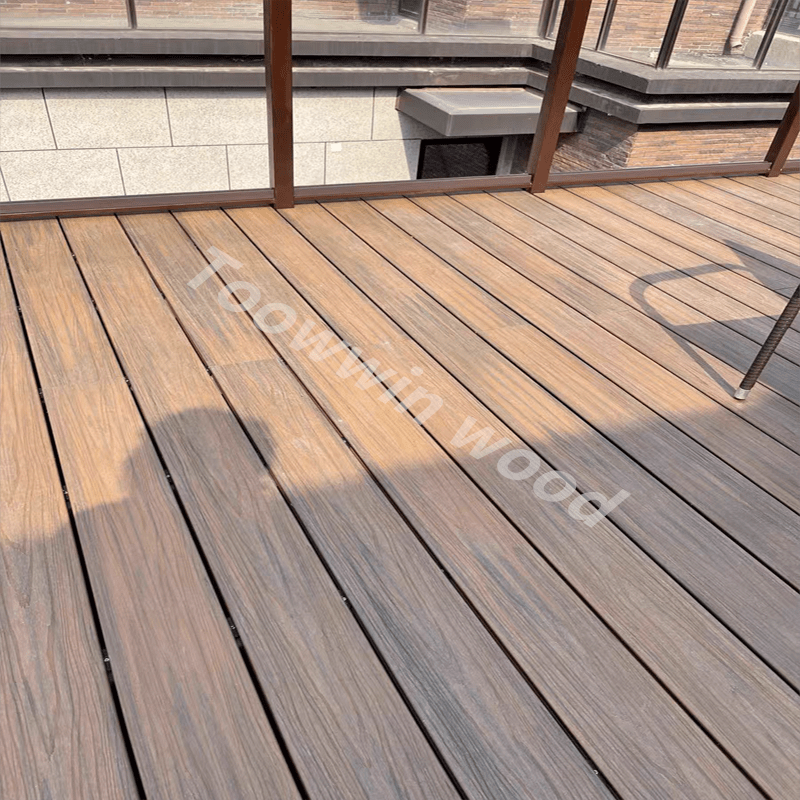
In the early days of composite decking, the materials sometimes looked noticeably artificial or “plasticky.” However, manufacturing techniques have evolved dramatically. Today’s WPC boards feature sophisticated, multi-tonal streaking and deep, randomized embossed wood grain patterns that closely mimic the luxurious look of premium hardwoods like ipe, teak, or mahogany.
This aesthetic versatility is a major draw. Whether your home’s architecture is modern, rustic, traditional, or coastal, there is a WPC style and color palette to complement it perfectly. Unlike natural wood, which can vary wildly in color and grain from board to board, WPC offers consistent, predictable beauty, allowing for precise design planning.
Moreover, because the material is extruded, it can be manufactured in various profiles, including solid boards for structural applications like stairs, and grooved boards designed for hidden fastener systems. Hidden fasteners create a smooth, unblemished deck surface, free from visible screw heads, elevating the overall high-end appearance of the outdoor space.
Safety First: A Splinter-Free Experience
A deck should be a safe haven for relaxation and play, especially for families with children or pets. Traditional wood decks inevitably develop splinters over time as the wood dries out and expands and contracts with the weather. These splinters are not only painful but can also pose a risk of infection.
WPC decking provides a significant safety upgrade. Because the wood fibers are bound within the plastic matrix, the boards will not splinter, no matter how old they get or how much they are exposed to the sun. This guarantees a smooth, comfortable surface that is safe for bare feet, crawling babies, and sensitive paws.
Additionally, many modern WPC boards are engineered with slip-resistant textures. This enhanced traction is particularly valuable around pools, hot tubs, or in climates that experience frequent rain, reducing the risk of slips and falls compared to smooth, wet wood.
The Eco-Friendly Choice
In an era of increasing environmental awareness, the sustainability of building materials is a crucial consideration. While it might seem counterintuitive that a product containing plastic is eco-friendly, WPC is actually a champion of environmental responsibility in several ways.
First, as mentioned earlier, WPC is largely composed of recycled materials. The wood flour is typically a byproduct of the woodworking industry (sawdust and scraps) that might otherwise end up in a landfill. The plastic component often consists of post-consumer recycled plastics, such as grocery bags and milk jugs. Choosing WPC helps divert thousands of pounds of waste from landfills.
Second, using WPC helps conserve our forests. By utilizing wood waste and recycled plastics, WPC significantly reduces the demand for virgin timber, particularly slow-growing, exotic hardwoods that are often unsustainably harvested for premium decking.
Finally, because WPC boards do not require toxic chemical treatments, stains, or sealants, they eliminate the introduction of these harmful volatile organic compounds (VOCs) into the environment during the lifetime of the deck.
Value and Return on Investment
It is true that the initial purchase price of WPC decking materials is generally higher than that of basic pressure-treated lumber. However, when evaluating the true cost of a deck, it is imperative to look beyond the initial installation and consider the long-term lifecycle costs.
When you factor in the cumulative costs of the stains, sealants, specialized cleaners, and the sheer amount of labor required to maintain a wood deck over 10, 15, or 20 years, the financial picture shifts dramatically. The minimal maintenance requirements of WPC mean that the total cost of ownership often breaks even with wood within the first five to seven years.
Beyond the savings on maintenance, WPC decking can also add significant value to your home. Real estate professionals consistently note that attractive, low-maintenance outdoor living spaces are highly desirable to potential buyers. A beautiful, durable WPC deck is viewed as a premium upgrade that enhances the property’s overall appeal and can yield a strong return on investment should you decide to sell.
Choosing the Right WPC Decking
The market for composite decking has grown significantly, offering a wide range of options. When selecting outdoor wpc decking for your project, there are a few key factors to consider to ensure you choose the best product for your needs:
- Capped vs. Uncapped: Early generations of WPC were “uncapped,” meaning the composite core was exposed. Modern, premium WPC is typically “capped” (or co-extruded) with an additional protective polymer shell on one to four sides. This cap provides superior resistance to fading, staining, and scratching compared to uncapped boards. Capped boards are highly recommended for maximum durability and aesthetic longevity.
- Profile: Boards come in solid and hollow profiles. Solid boards are heavier, feel more like traditional wood underfoot, and are generally stronger, making them ideal for high-traffic areas and stairs. Hollow boards are lighter and often more economical, but they may retain more heat and require careful handling during installation to prevent end-crushing.
- Fastening Systems: Decide whether you prefer traditional face-screwing or a hidden fastener system. Hidden fasteners require grooved boards and provide a cleaner, more contemporary look.
- Warranty: Pay close attention to the manufacturer’s warranty. A robust warranty (e.g., 25 years or more covering fade, stain, and structural integrity) is a strong indicator of the product’s quality and the manufacturer’s confidence in its performance.
Key Considerations When Buying WPC
| Feature | Recommendation | Why it Matters |
|---|---|---|
| Construction | Capped (Co-extruded) | Offers significantly better protection against stains, fading, and scratches. |
| Profile type | Solid (generally preferred) | Provides better structural integrity, feels more solid underfoot, and is necessary for stairs and picture-framing. |
| Aesthetics | Multi-tonal, deep embossing | Creates a more realistic and luxurious wood-like appearance. |
| Warranty Length | 25+ Years | Ensures long-term protection of your investment against manufacturing defects. |
Installation Insights
While WPC decking cuts, drills, and fastens similarly to traditional wood, there are important differences to keep in mind during installation. Because the material contains plastic, it expands and contracts primarily with temperature changes (unlike wood, which expands and contracts with moisture).
It is crucial to follow the manufacturer’s specific installation guidelines, particularly regarding gapping between boards (both side-to-side and end-to-end) to accommodate this thermal movement. Failure to provide adequate spacing can result in the boards buckling or warping as they heat up in the sun. Furthermore, ensuring proper ventilation under the deck is essential to allow for airflow, which helps regulate temperature and moisture levels, further enhancing the longevity of the framing and the decking itself.
Conclusion
Creating an outdoor space is an investment in your home and your lifestyle. While traditional wood has its nostalgic charm, the practical realities of its upkeep and its vulnerability to the elements make it a less appealing choice for modern homeowners.
WPC composite decking offers a brilliant synthesis of beauty and engineering. It delivers the warm, inviting aesthetics of natural wood without the demanding maintenance, the risk of splinters, or the rapid deterioration caused by weather and pests. By choosing WPC, you are not just building a deck; you are creating a durable, eco-friendly, and stunning outdoor extension of your home designed for decades of effortless enjoyment. It is, without a doubt, a superior choice for those who value both form and function in their outdoor living spaces.
FAQs
Does WPC decking get hotter in the sun than traditional wood?
Yes, WPC decking, particularly darker colors, can retain more heat than natural, unpainted wood when exposed to direct, intense sunlight. This is because the plastic components absorb and hold heat. However, advancements in capping technology and lighter color options have significantly mitigated this issue. If your deck receives full afternoon sun, opting for a lighter shade of composite can help keep the surface temperature more comfortable for bare feet.
Can I install WPC decking directly over an existing concrete patio?
While you cannot attach WPC boards directly to concrete, you can build a composite deck over a concrete patio by first installing a “sleeper system.” This involves attaching shallow wooden or composite joists (sleepers) to the concrete to create a level framing structure with necessary drainage and ventilation space beneath the decking boards. Proper airflow is critical to prevent moisture buildup and ensure the warranty remains valid.
Is it possible to scratch or stain a WPC deck?
While highly resistant, WPC is not entirely indestructible. Modern capped composites are highly stain-resistant; most spills (like wine or grease) will easily wipe away if cleaned promptly. However, heavy furniture dragged across the surface or sharp objects can cause scratches. Using furniture pads and avoiding abrasive snow shovels will help protect the finish. If a minor scratch occurs, it often blends in over time, but severe damage may require board replacement.